
Freight Shipping in 2025: What Businesses Need to Know
 Freight shipping continues to transform as global trade adapts to new challenges—from fluctuating demand to congestion at major cities and tighter air cargo capacity. Whether you move small pallets, full container load shipments, less than truckload shipping, or international freight, staying informed is essential. Today’s supply chains require reliable freight shipping services, transparent pricing, smarter routing, and the support of experienced shipping experts.
This guide breaks down the current state of ocean freight shipping, air freight, and international logistics and offers practical steps to help you plan shipments with confidence. Much of the insight reflects current market conditions, including widespread congestion, equipment shortages, and the tightening capacity outlined in the Freight Market Update December 2025.
The State of Global Freight Shipping in 2025
Freight shipping is undergoing one of its most complex transitional periods in years. Businesses face persistent volatility driven by economic softening, shifting manufacturing patterns, and operational bottlenecks across major trade lanes. Yet, the right international logistics strategy and access to multiple carriers can turn these challenges into opportunities for efficiency.
Why Freight Shipping Is More Complicated Today
Global demand has softened, but freight movements remain inconsistent. Despite lower volumes, bottlenecks still occur across major ports, especially in Singapore, Europe, and the U.S. East Coast. Weather-related disruptions, container shortages, and blank sailings continue to affect both ocean freight shipping schedules and air freight shipping timelines.
For shippers, this means planning has never been more important. Early bookings, tighter forecasting, and real-time visibility are now standard essentials—not optional advantages.
Ocean Freight Shipping: Trends, Challenges & Opportunities
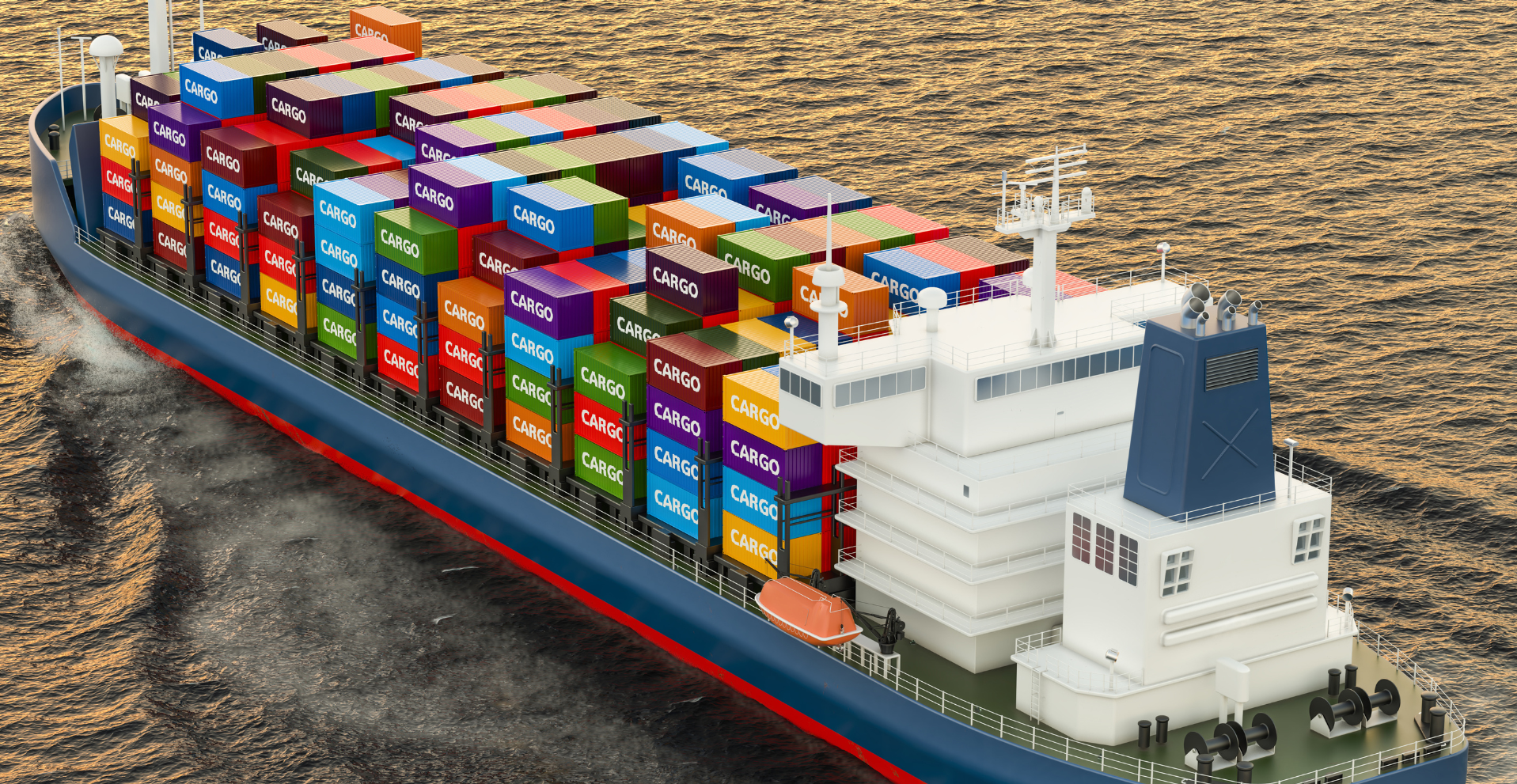
Ocean freight shipping remains the backbone of global trade, but 2025 brought major challenges that every business should understand.
Ocean Freight Shipping Services and Market Conditions 
According to global indexes, container pricing has dipped slightly as demand cools. The Drewry World Container Index recently fell 2% to USD 1,806 for a 40-foot container load. While this indicates easing pressure, shippers still face operational obstacles such as blank sailings, congestion, and vessel schedule changes.
Why Ocean Freight Shipping Is Slowing Down
Seasonal surges, Chinese New Year demand, industrial actions, and transshipment backlogs have created uneven network flow. Singapore’s ongoing congestion remains the primary bottleneck for Australia-bound cargo, delaying connections across Southeast and Northeast Asia. European ports are also strained due to labor shortages and inland transport limitations.
How Businesses Can Protect Their Cargo During Ocean Transportation
To keep supply chains running smoothly, consider these tips:
- Book early—at least 3–4 weeks in advance for standard cargo.
- Allow routing flexibility, especially when shipping through congested ports.
- Use an ocean freight forwarder to identify alternative shipping options when blank sailings occur.
- Communicate delivery windows clearly to align production, loading, and final-mile transport.
- Monitor equipment availability, especially 20-foot and reefer containers, which remain in short supply in many regions.
Ocean freight may be slower, but strategic planning helps avoid unnecessary costs and delays, ensuring your shipment arrives safely and on time.
Air Freight Shipping: Capacity Constraints & When to Use It
Air freight shipping continues to face tight capacity, particularly from Asia into Australia and North America. Network congestion across China, Vietnam, Korea, and Southeast Asia is leading to reduced uplift availability and higher air freight rates.
What’s Driving Limited Air Freight Capacity?
Air hubs are still absorbing e-commerce surge cycles, labor shortages, and irregular flight schedules. Capacity relief is not expected until mid-January 2026, especially for premium services where timing reliability is critical.
 When Air Freight Shipping Makes Sense

Choose air freight when:
- You need guaranteed or fast delivery.
- Your cargo has high value or is time-sensitive.
- You are replenishing low or urgent inventory.
- Ocean freight reliability is too uncertain.
For best results:
- Book 7–10 days early for urgent shipments.
- Optimize dimensional weight to avoid unnecessary charges.
- Consider premium uplift windows when timing is mission-critical.
Air freight is more expensive, but strategic use keeps supply chains moving when ocean transportation networks falter.
How Freight Forwarders Simplify the Shipping Process
A reliable freight forwarder like ExFreight acts as a single point of coordination for freight transportation, rate negotiation, routing, documentation, customs clearance, and delivery. With multiple carriers involved at every stage, the forwarder eliminates complexity and enhances efficiency.
Why a Freight Forwarder Matters
Freight forwarders manage:
- Carrier communication.
- Booking and scheduling.
- Customs documentation and clearance.
- Cargo insurance with maximum liability coverage.
- Tracking and visibility.
- Freight quote comparisons.
- Intermodal transport coordination.
This allows businesses to focus on operations rather than deciphering carrier rules or navigating port congestion.
Understanding ExFreight’s International Freight Shipping Services
 ExFreight offers multiple service levels designed for simplicity and transparency.
Door to Port Includes:
- Pickup from shipper.
- Basic export customs clearance.
- Ocean or air freight shipping to the destination port.
Does NOT include:
Destination fees, duties, local delivery, storage, exams, or taxes.
Door to Door Includes:
- Pickup from shipper.
- Export customs clearance.
- Ocean or air freight shipping.
- Terminal fees.
- Basic import entry and customs clearance.
- Delivery to the receiving address.
Does NOT include:
Import duties, special permits, exams, or storage fees.
These options let shippers tailor logistics services to budget, control, and complexity preferences.
ExFreight’s Trucking Services
For domestic and regional moves, ExFreight offers:
- Less than truckload (LTL) shipping (Groupage).
- Volume LTL.
- Full truckload (FTL).
Using Exfresso, shippers receive instant freight quotes that automatically calculate density, linear feet, loading meters, and cubic capacity. This removes the stress of classifying freight or worrying about exceeding carrier thresholds.
Additional Services to Benefit Your Supply Chain
ExFreight also provides tailored solutions including:
- Customs clearance expertise.
- Cargo insurance with maximum liability protection.
- Year-round support from shipping experts.
- Special handling for hazardous materials and life sciences shipments.
- Port to door delivery options.
- Access to multiple carriers and shipping options worldwide.
 Expert Tips for Smarter Freight Shipping
To navigate 2025 with confidence:
1. Improve Forecasting
Longer lead times prevent last-minute premiums and missed sailings.
2. Compare Freight Quotes Regularly
Market rates change weekly—sometimes daily.
3. Optimize Packaging
Especially for air freight, reducing unused space lowers chargeable weight.
4. Diversify Routing Options
Consider alternate ports or airports when major hubs are congested.
5. Communicate Early & Often
Your carrier, freight forwarder, and warehouse partners all depend on accurate scheduling.
Frequently Asked Questions (General + ExFreight-Specific)
How do I file a damage claim?
Only the shipper, consignee, or a third party with legal title to the goods can file a claim. If ExFreight arranged your shipment, we handle the process. For truck-only shipments, we help coordinate with the carrier. For air or ocean shipments, we settle the claim directly with you.
What’s the difference between dimensional weight and actual weight?
Dimensional (DIM) weight measures cargo density and is used in air freight and parcel shipping. Carriers charge based on the greater of DIM weight or actual weight.
- Actual weight: physical weight including packaging.
- DIM weight: volume-based calculation. Exfresso calculates DIM weight automatically when generating a freight quote.
What’s included in ExFreight’s international freight shipping services? 

Door to Port: pickup, export clearance, and main transport.
Door to Door: all of the above plus import clearance and final delivery.
Duties, taxes, storage, exams, and special permits are not included in either service level.
Which trucking services does ExFreight offer?
LTL, Volume LTL, and FTL services across the U.S., Canada, and Europe. Automated calculations ensure your shipment meets carrier requirements without manual classification.
How long does ocean freight take in 2025?
Transit times vary widely due to congestion, blank sailings, and equipment shortages. Delays of 2–7 days at many Australian ports are currently common, with similar challenges in Europe and North America.
Is air freight faster even with congestion?
Yes, but capacity constraints may extend lead times. Booking at least 1–2 weeks in advance is recommended.
How do I reduce freight shipping costs?
- Consolidate shipments.
- Optimize packaging.
- Compare ocean vs. air freight.
- Use less than truckload shipping for partial loads.
- Work with a freight forwarder for better routing options.
Freight Shipping Success in a Changing Market
Freight shipping in 2025 demands strategic planning, flexibility, and the support of knowledgeable freight companies. As ocean freight schedules shift and air freight capacity remains tight, businesses must focus on forecasting, early booking, and working closely with trusted shipping experts. By understanding the dynamics of global trade and leveraging ExFreight’s logistics services—from air freight to ocean freight shipping to trucking—you can keep your supply chain efficient, resilient, and cost-effective.
Whether you’re moving a single pallet or managing high-volume international logistics, staying informed is the key to staying competitive.

Leave A Comment
You must be logged in to post a comment.