01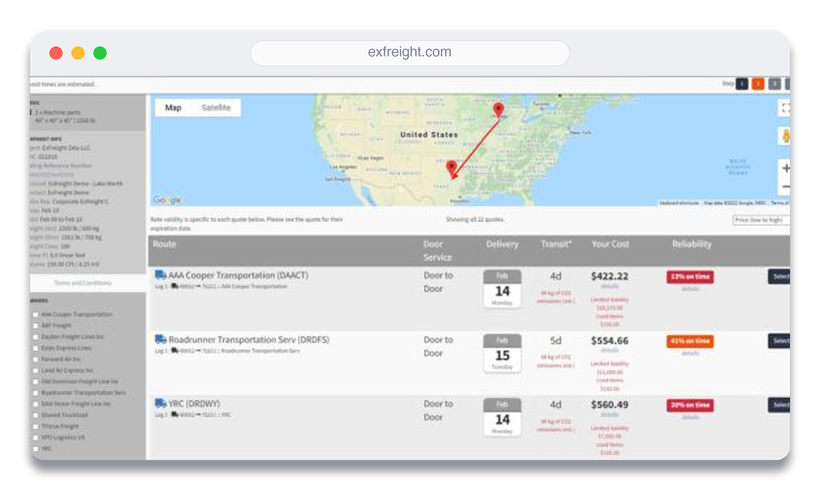
Step 01 / 03
Get an Instant Quote
Enter your origin, destination, and shipment details, then compare ocean, air and LTL rates to FBA in under 30 seconds, no callbacks, no emailed quotes.
 Skip to content



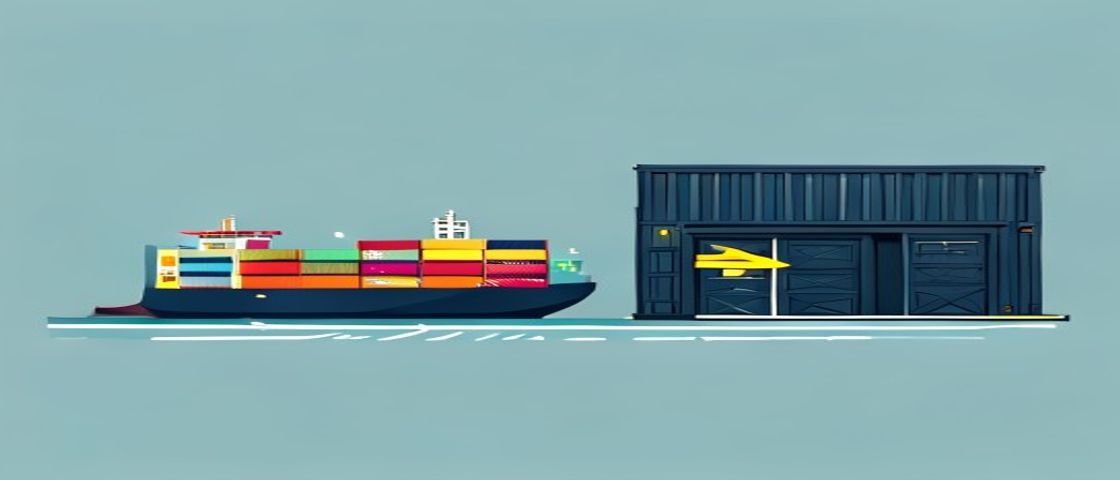
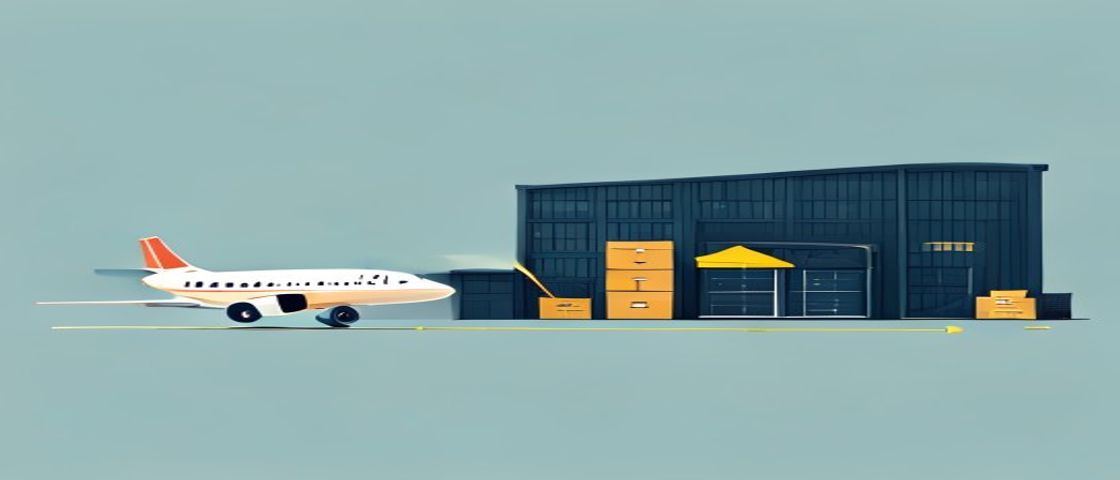
Enter your origin, destination, and shipment details, then compare ocean, air and LTL rates to FBA in under 30 seconds, no callbacks, no emailed quotes.
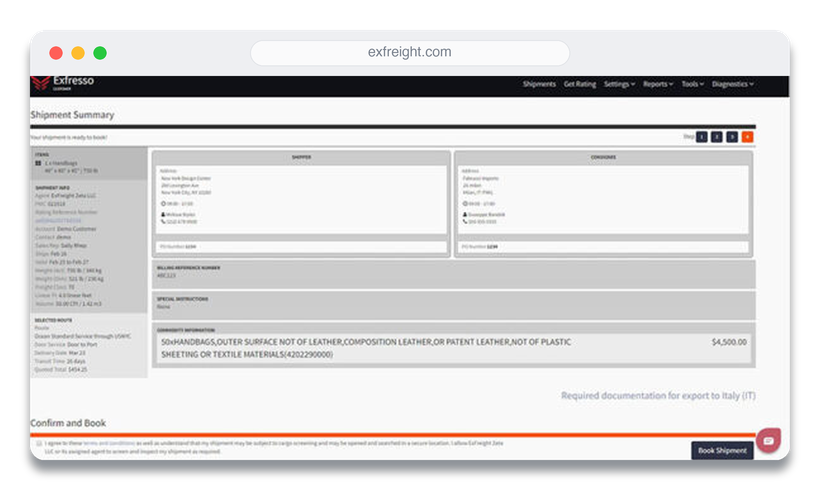
Pick the carrier and rate that fit your shipment, then book it on the spot with no callbacks and no waiting on emailed quotes.
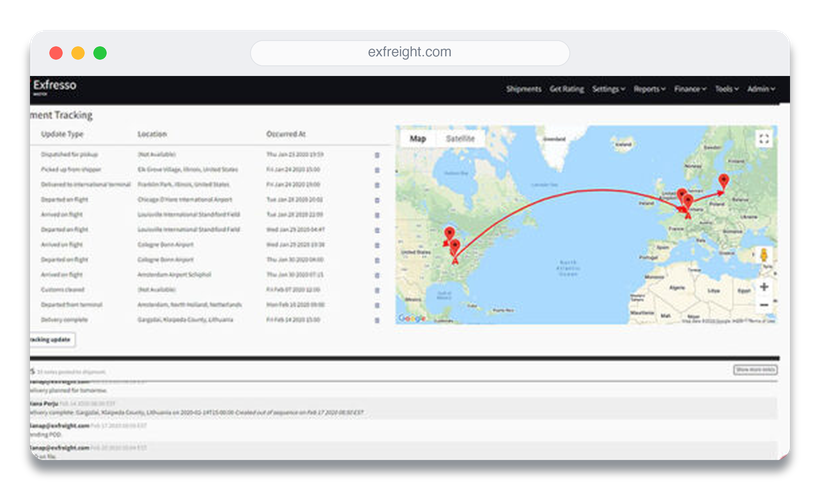
Follow your freight from pickup to delivery with real-time tracking and status updates, all from one simple dashboard.
 You are not legally required to use a freight forwarder for Amazon FBA, but for any international FBA shipment a freight forwarder is effectively essential. Amazon does not move your inventory from your supplier to its fulfillment centers, and it does not act as your importer of record, customs broker, or carrier. The moment your goods cross a border, you become responsible for ocean or air booking, customs clearance, ISF filing, duties and taxes, FBA carton and pallet prep, and a delivery appointment Amazon will reject if any detail is wrong. A freight forwarder coordinates that chain so the right party handles each step.
If you source from China, Vietnam, India, or anywhere overseas, this guide explains what a forwarder does for FBA, when you need one, how customs and DDP work, how to choose ocean versus air versus parcel, and the mistakes that get shipments refused at the dock.
A freight forwarder arranges the end-to-end movement of your inventory from your supplier’s factory to an Amazon fulfillment center, handling every regulatory and operational step in between. For an FBA seller, the forwarder is the single party who books the transport, arranges customs clearance, and schedules the delivery. Without one, you would have to stitch together a carrier, a customs broker, a trucker, and a prep service yourself and keep them all in sync.
For Amazon FBA specifically, a freight forwarder handles:
ExFreight has moved international freight since 2006 and quotes ocean, air and LTL options to FBA warehouses in one place, with customs brokerage available on the same booking.
A freight forwarder is almost essential for international FBA because Amazon enforces strict inbound rules and customs authorities enforce strict import rules, and a single error in either system stops your inventory cold. Here is why the forwarder matters at each failure point:
The forwarder coordinates each of these steps so a rejected load does not freeze your inventory and your Amazon sales rank.
Customs clearance for FBA requires a designated importer of record, accurate documentation, and payment of duties and taxes before your goods are released. When you import on a commercial scale, you cannot use Amazon as the importer of record, so you, or an importer-of-record service, take that legal role and own the declaration’s accuracy.
For ocean shipments into the United States, an Importer Security Filing (ISF 10+2) must be submitted to U.S. Customs at least 24 hours before the cargo is loaded at the origin port. Miss it and you risk a $5,000 penalty plus a customs hold. Your forwarder files the ISF, classifies your products under the correct HS codes, and clears the goods through CBP.
The cleanest setup for FBA is DDP (Delivered Duty Paid) shipping. Under DDP, the forwarder handles export, freight, import clearance, and all duties and taxes, delivering the goods to Amazon with nothing outstanding. This matters because Amazon refuses any shipment that arrives with unpaid duties or that names Amazon as the consignee or importer of record. Ask for a DDP quote on freight forwarding from China to the USA if you want duties settled before your FBA cartons reach the warehouse.
Amazon’s FBA prep requirements govern how every carton and pallet must be labeled, packed, and dimensioned before it reaches a fulfillment center, and non-compliance leads to refusal or unplanned prep fees. Meeting these rules is the shipper’s responsibility; an FBA-experienced forwarder flags them before the cargo ships.
Getting these details wrong is the most common reason international FBA loads are turned away. A forwarder that ships FBA freight regularly can flag the issues before the cargo ships, not after it has crossed an ocean.
The right mode for an FBA shipment depends on the trade-off between speed, cost, and shipment size. Air freight wins on speed for restocks and launches, ocean freight wins on cost for bulk inventory, and small parcel suits sample quantities. The table below compares the options for FBA planning.
| Mode | Transit speed (Asia to US) | Relative cost | Best for FBA |
|---|---|---|---|
| Air freight | 5–10 days | Highest per kg | Time-sensitive restocks, product launches, high-value or low-weight goods, avoiding stockouts |
| Ocean LCL | 30–45 days | Low per unit, no full-container minimum | 1–10 pallets, sellers not yet filling a container, balancing cost and volume |
| Ocean FCL | 30–40 days | Lowest per unit at volume | Large, steady inventory; 10+ pallets; sellers shipping a full 20ft or 40ft container |
| Small parcel | 3–7 days | High per kg, low total for tiny loads | Samples, test inventory, very small carton counts under a few hundred pounds |
Most established FBA sellers blend modes: ocean for the bulk of inventory and air to plug urgent gaps. ExFreight quotes all of them instantly, including LCL ocean freight for partial loads, FCL ocean shipping for full containers, air freight for time-sensitive FBA restocks, and international small parcel shipping for the smallest consignments.
Amazon’s Partnered Carrier Program (PCP) is a domestic transport option, not an international freight solution, so it cannot replace a freight forwarder for imported inventory. PCP gives you discounted LTL and small-parcel rates for moving goods already inside the destination country to an Amazon warehouse. It does not arrange ocean or air freight from your overseas supplier, clear customs, file ISF, or pay duties.
A freight forwarder covers the entire international leg, from the factory through customs and DDP, then arranges the final move to the fulfillment center. An importing seller needs the forwarder for everything up to the U.S. door; PCP, if used at all, only handles a domestic hand-off after the goods have already cleared. For an international FBA program, the forwarder is indispensable and PCP is at best a final-mile convenience.
Yes, you can technically ship to FBA without a forwarder, but it is only realistic for experienced importers handling very small loads. Going without one means you personally take on every task the forwarder would own:
For a growing seller, this DIY route usually produces costly errors, refused loads, and stockouts. A forwarder takes on the coordination so you can focus on sourcing and selling rather than on freight operations.
FBA freight forwarding cost is not a fixed fee; it is driven by the shipping mode, cargo size and weight, the lane, and duties and prep. The main cost factors are:
The forwarder fee is real, but it can lower your total landed cost by preventing expensive failures: rejected loads, customs holds, storage fees, and emergency air freight to recover from a stockout. The fastest way to see true numbers is an instant quote on your actual cartons and lane.
ExFreight is a digital freight forwarder that has moved international freight since 2006, with door-to-door rating between North America and 150+ countries. You quote, book, upload documents and track each FBA shipment online, and cargo insurance is offered at booking. Customs brokerage can be added to the shipment, and the U.S.-based customer service team is online from 8:00 AM to 8:00 PM EST.
No. Amazon is a fulfillment provider, not a freight forwarder. It stores, picks, packs, and ships your products to customers only after your inventory has already arrived at a fulfillment center. Amazon does not book international freight, clear customs, act as your importer of record, or pay your duties. Moving goods from your overseas supplier to the warehouse is entirely your responsibility, which is exactly the gap a freight forwarder fills for FBA sellers.
An ISF, often called ISF 10+2, is a filing U.S. Customs requires for ocean shipments, submitted at least 24 hours before the cargo is loaded at origin. It declares ten data elements about the importer and shipment plus two from the carrier. Filing late or not at all can trigger a $5,000 penalty and a customs hold. Your freight forwarder files the ISF for your FBA ocean shipments, so you stay compliant without managing the filing yourself.
DDP (Delivered Duty Paid) means the forwarder handles export, freight, import clearance, and all duties and taxes, delivering your goods with nothing outstanding. It matters for FBA because Amazon refuses any shipment that arrives with unpaid duties or that names Amazon as the consignee or importer of record. DDP eliminates that risk, ensures the goods are released cleanly, and lets you predict your full landed cost up front instead of facing surprise charges at the border.
 Optimized by Seraphinite Accelerator