 Skip to content

Solutions · Apparel
Apparelfreight forwarding
Seasonal collections and fast-moving stock, shipped by ocean when you plan ahead and by air when the season will not wait.
Rated on Google
Read reviews“Air and ocean in one quote. We picked the lane.”
Automotive parts importer“Duty estimate upfront. Finance approved same day.”
Aftermarket distributorAt a glance
Apparel freight: key facts
For planning only. Every quote confirms the details for your shipment.
Season planner
Plan the season backwards
Work back from the shelf date. Book ocean for what you can plan, keep air for what sells out.
Relative, not to scale. Every quote shows current transit estimates for your lane.
Why ExFreight
Why ship apparel with ExFreight
Ocean and air compared
Plan the collection by ocean and keep air for reorders, in one quote.
LCL consolidation
Smaller drops share container space instead of paying for a full box.
Amazon FBA delivery
Freight direct to Amazon fulfillment centers.
Tracking with email alerts
Follow air and ocean shipments on a map as the season approaches.
Which mode fits
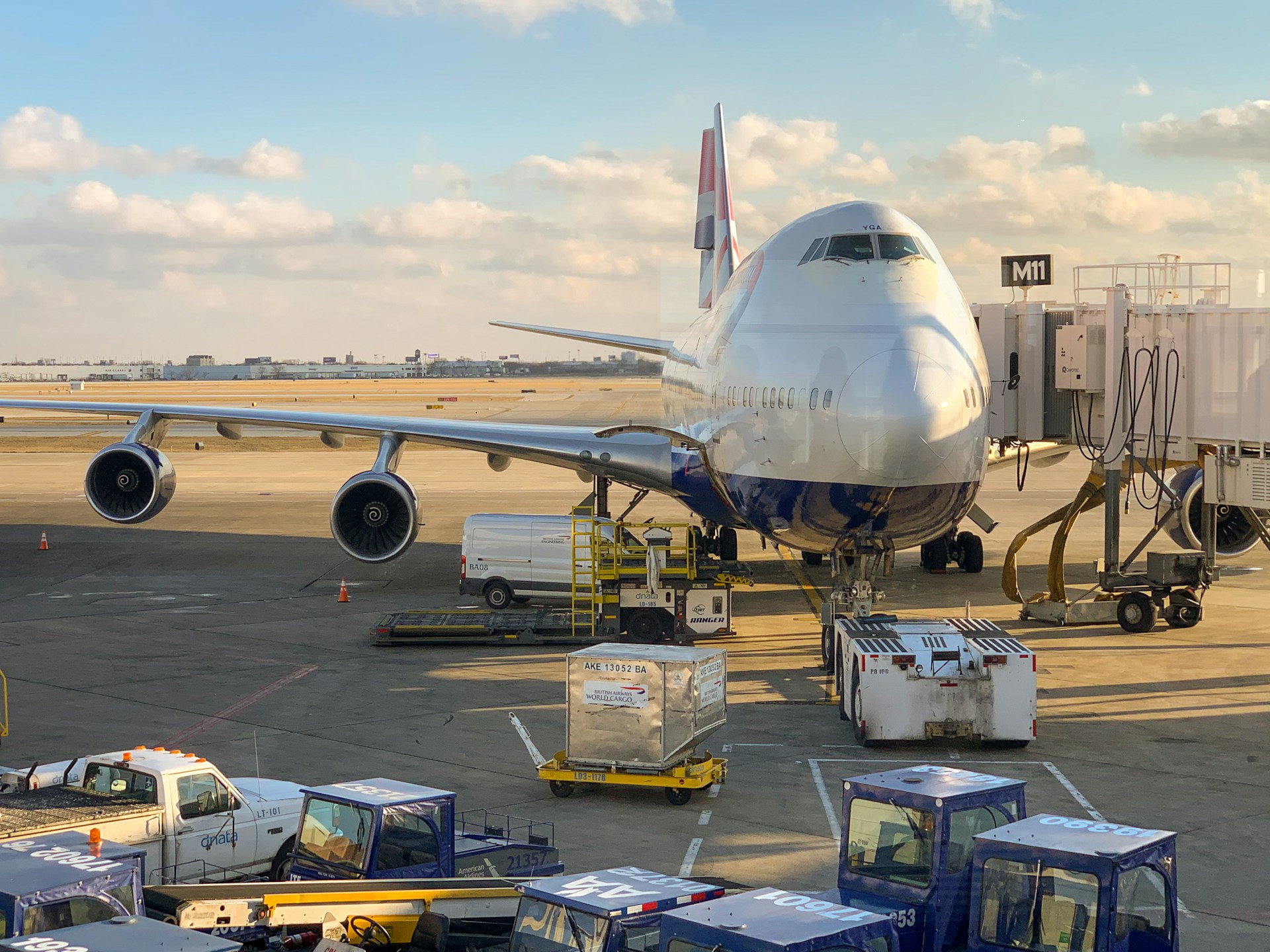
Ocean, air or truck for your apparel
A starting point, not a rule. Every quote shows each option side by side; the final mode depends on your lane, dates and cargo.

HTS chapters
61–62Customs brokerage, plus duty and tax estimates before you book, for apparel shipments.
Customs
Labels and classification for apparel
FAQs
Apparel shipping questions
Still have questions? Our team is ready to help.
Should seasonal apparel ship by ocean or air?
Ocean for the planned collection, air for late orders and reorders. Each quote shows both, with current transit estimates.
What is the cheapest way to ship clothing internationally?
Ocean FCL or LCL is usually lowest cost for a full season. Air costs more but protects sell-through on reorders. Compare both in one quote rather than assuming one mode is always cheaper.
What does FOB mean for apparel imports?
FOB is an Incoterm that sets where title and risk transfer from seller to buyer, typically at the port of export. It affects who books ocean freight and who pays which leg, so confirm the Incoterm on your purchase order before you quote.
Can you deliver apparel to Amazon FBA?
Yes. We ship freight direct to Amazon fulfillment centers.
How is apparel classified for customs?
Knitted garments fall under HTS Chapter 61 and woven garments under Chapter 62. Fiber content changes the rate, so classify each style.
What labeling does imported apparel need?
Garments sold in the US need fiber content, country of origin and manufacturer name or RN on the label. Missing labels can trigger customs holds or retailer chargebacks.
Can you consolidate small orders?
Yes. LCL lets smaller drops share container space with other shippers.
Do you ship fabric rolls?
Yes. Fabrics ship as general cargo by air, ocean or truck and classify in HTS Chapters 50 to 60.
Other industries
More freight we move


Apparelfreight forwarding
Seasonal collections and fast-moving stock, shipped by ocean when you plan ahead and by air when the season will not wait.
Rated by shippers on Google
Read Google reviews“Air and ocean in one quote. We picked the lane.”
Automotive parts importer“Duty estimate upfront. Finance approved same day.”
Aftermarket distributorAt a glance
Apparel freight: key facts
For planning only. Every quote confirms the details.
Season planner
Plan the season backwards
Work back from the shelf date. Book ocean for what you can plan, keep air for what sells out.
Relative, not to scale.
What we move
Apparel and textile products we ship
Typical apparel freight we quote by ocean, air and truck.
Seasonal collections
Planned volume that suits ocean FCL and LCL.
Knitwear and activewear
Knitted garments classify in Chapter 61; woven activewear falls in Chapter 62.
Denim, shirts and woven outerwear
Woven garments classified under HTS Chapter 62.
Footwear and accessories
Cartons of shoes, bags and accessories for retail and ecommerce.
Fabric rolls and trims
Fabrics classify in Chapters 50 to 60; zippers and buttons in Chapter 96.
Home textiles
Bedding, towels and linens for retail distribution.
Why ExFreight
Why ship apparel with ExFreight
Ocean and air compared
Plan the collection by ocean and keep air for reorders, in one quote.
LCL consolidation
Smaller drops share container space instead of paying for a full box.
Amazon FBA delivery
Freight direct to Amazon fulfillment centers.
Tracking with email alerts
Follow air and ocean shipments on a map as the season approaches.
Which mode fits
Ocean, air or truck for your apparel
A starting point, not a rule. Every quote shows each option side by side; the final mode depends on your lane, dates and cargo.
FAQs
Apparel FAQs
Should seasonal apparel ship by ocean or air?
Ocean for the planned collection, air for late orders and reorders. Each quote shows both, with current transit estimates.
What is the cheapest way to ship clothing internationally?
Ocean FCL or LCL is usually lowest cost for a full season. Air costs more but protects sell-through on reorders. Compare both in one quote rather than assuming one mode is always cheaper.
What does FOB mean for apparel imports?
FOB is an Incoterm that sets where title and risk transfer from seller to buyer, typically at the port of export. It affects who books ocean freight and who pays which leg, so confirm the Incoterm on your purchase order before you quote.
Can you deliver apparel to Amazon FBA?
Yes. We ship freight direct to Amazon fulfillment centers.
How is apparel classified for customs?
Knitted garments fall under HTS Chapter 61 and woven garments under Chapter 62. Fiber content changes the rate, so classify each style.
What labeling does imported apparel need?
Garments sold in the US need fiber content, country of origin and manufacturer name or RN on the label. Missing labels can trigger customs holds or retailer chargebacks.
Can you consolidate small orders?
Yes. LCL lets smaller drops share container space with other shippers.
Do you ship fabric rolls?
Yes. Fabrics ship as general cargo by air, ocean or truck and classify in HTS Chapters 50 to 60.
Still have questions? Our team is ready to help.
Contact your local office