
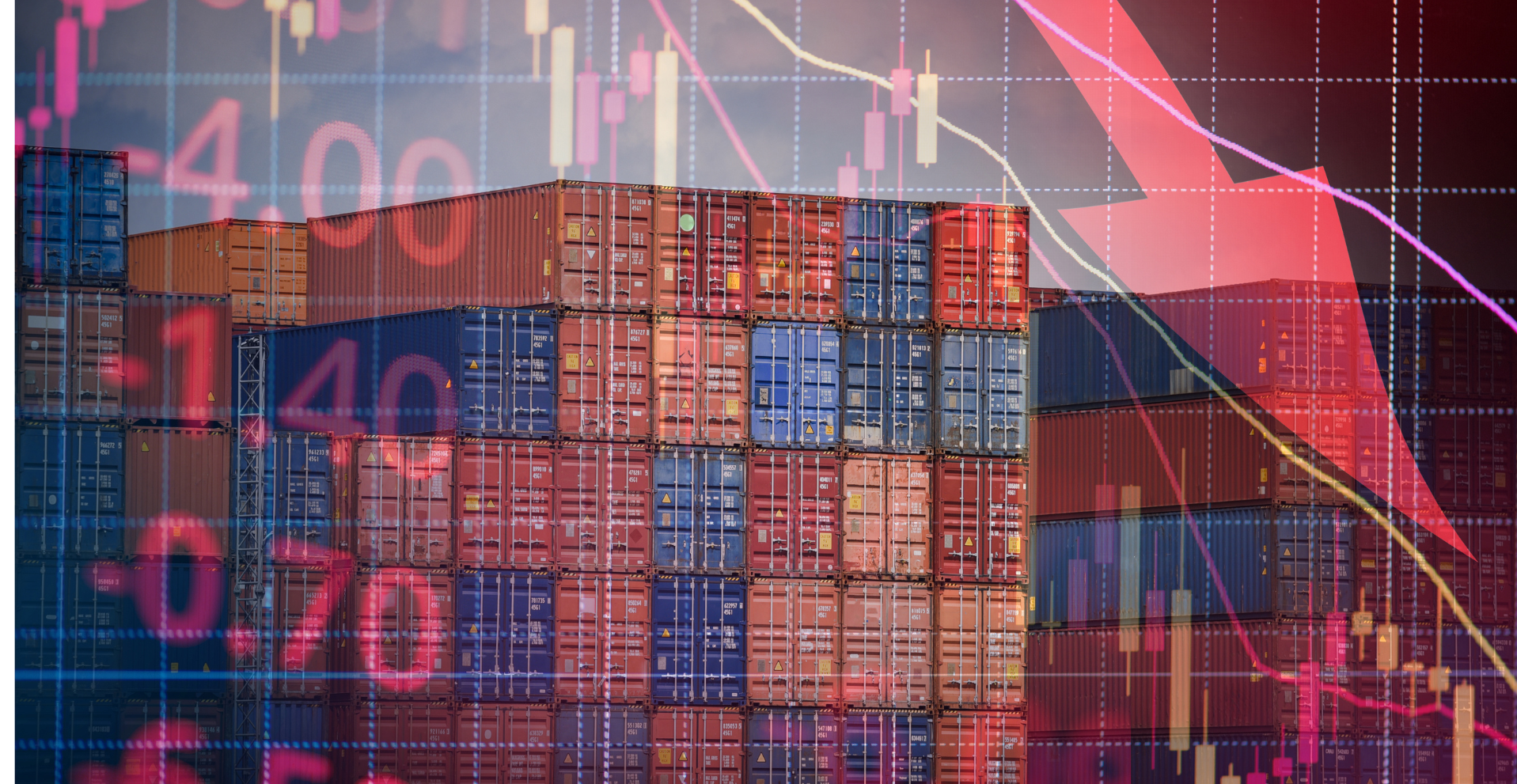
 The relationship between global trade policies and freight shipping has grown increasingly complex as tariffs evolve into powerful instruments capable of influencing the movement of goods across international markets. When governments implement tariffs aimed at strategic industrial sectors, the effects quickly spread throughout the logistics landscape, altering ocean freight shipping activity, slowing infrastructure development, and challenging the ability of logistics services providers to adapt swiftly. Freight shipping now operates in an environment where political decisions determine the stability of port operations, the reliability of transportation corridors, and the economic viability of major investments. These policies become even more influential when they target essential equipment such as the cranes required for ports to service modern containerships. These measures affect freight transportation, freight companies, international logistics networks, and the entire ecosystem of freight forwarders and logistics experts who depend on stable operational conditions.
Understanding the Role of Freight Forwarders and Logistics Providers
Understanding these dynamics is crucial for companies moving cargo globally, whether through freight forwarder networks, ocean freight forwarding services, or multimodal freight services shipping solutions. When political uncertainty disrupts port modernization, congestion increases, vessel turnaround slows, and inland delivery schedules become less predictable. This creates significant challenges for businesses seeking the most efficient shipping options and often the cheapest way to deliver overseas without compromising supply chain performance. As trade tensions deepen between major economies, the broader impact on freight shipping becomes evident through shifting route preferences, rising operational costs, and extended asset life cycles within port infrastructure.
Tariffs as a Structural Force Transforming Port Infrastructure and Freight Shipping
Tariffs imposed on port equipment have become one of the defining elements shaping recent transformations in maritime infrastructure and, consequently, in freight shipping operations. When a country relies almost entirely on a single foreign supplier for specialized machinery, any modification to trade policy directly affects the operational capacity of its ports. This situation is particularly critical in a market where vessels continue to increase in size and require taller, more precise, and more technologically advanced cranes. The introduction of punitive tariffs led port operators to reconsider entire modernization projects that had been planned over extended periods. In many cases, operators chose to prolong the life of older equipment by upgrading technological components and reinforcing systems to handle larger vessels instead of purchasing new machinery.
This decision has immediate consequences for port productivity, as retrofitted equipment cannot match the performance of cranes designed for the demands of modern maritime trade. When ports delay modernization, maritime flow slows, loading and unloading times increase, and logistics chains lose efficiency. The resulting fragmentation affects not only the ports themselves but also the broader logistics ecosystem that relies on speed, predictability, and synchronized freight shipping operations to function effectively. These inefficiencies impact ltl shipping, full container load, and full truckload operations, reducing customer satisfaction and increasing costs for freight services. The benefits of efficient warehousing and tracking systems are also diminished when port delays disrupt supply chains.
Industrial Dependence and Strategic Vulnerability in the Ocean Freight Sector 
Recent trade policies revealed the profound dependence many countries had developed on Asian port-equipment manufacturing. Over several decades, the production of cranes, containers, and marine components consolidated outside the Americas, creating a level of dependency that only became fully visible when trade tensions triggered restrictions. This dependence directly affects the ocean freight sector because most ports operate with equipment that cannot be locally replaced within reasonable timeframes or at the necessary scale.
Although some manufacturers exist outside tariff-affected regions, their industrial capacity is insufficient to meet global demand, leading to higher prices and extended delivery timelines. This reality delays terminal modernization, alters expansion projections, and reduces the competitiveness of affected ports. Because ocean transportation efficiency relies heavily on modern infrastructure, any delay in these investments directly influences service availability, transit times, vessel rotation, and the effective cargo-handling capacity of ports. These limitations affect third party logistics providers and their ability to offer efficient delivery and streamline operations. The industry must also adapt to these constraints by reallocating resources and optimizing shipping services across long distances, including routes extending to Canada and other key markets.
Economic and Logistical Implications for the Freight Services Shipping Ecosystem
When ports postpone essential investments, the impact extends far beyond physical infrastructure and affects the entire freight services shipping ecosystem that depends on efficient terminal operations. Tariffs create financial uncertainty because operators fear that purchasing new equipment could trigger additional rounds of restrictive measures. This uncertainty makes even temporary tariff suspensions insufficient to encourage investment, given the long manufacturing timelines for port cranes and the long-term commitment required from port authorities.
The lack of continuous modernization forces the logistics system to operate under increasingly constrained conditions, lengthening dwell times, reducing container turnover, and intensifying congestion at terminals. For businesses that rely on freight shipping, these limitations translate into higher costs, greater operational risks, and persistent challenges coordinating subsequent inland transport. As a result, multimodal operations become more unpredictable, affecting route planning, equipment availability, and the ability of freight forwarders to provide reliable, time-sensitive solutions. This situation also impacts ltl freight and less than truckload shipments, which rely on synchronized logistics services and visibility for optimal performance. Effective tracking and communication lines between logistics providers and customers become vital to saving time and resources in such scenarios.
 Global Production Constraints and Technological Dependence in Port Operations
 Global Production Constraints and Technological Dependence in Port Operations
The global ability to manufacture high-capacity port cranes is extremely limited, presenting a structural challenge for worldwide logistics. Only a small number of companies possess the technology, industrial facilities, and expertise required to build cranes capable of handling containers at the speed and precision demanded by modern terminals. When tariffs restrict access to such equipment, ports face a scenario in which they must compete for a limited and increasingly expensive supply, thereby increasing financial pressure and delaying essential modernization projects.
This situation directly affects ports’ ability to accommodate larger vessels, with significant consequences for the entire ocean freight chain. Ports lacking adequate equipment lose competitiveness compared to those with advanced infrastructure, triggering a geographic reorganization of maritime trade. Since freight shipping depends heavily on synchronization between ports and carriers, any imbalance in operational capacity produces cascading effects that influence transit times, logistics costs, and route availability. These challenges also affect rail and truck transport connections, reducing overall supply chain efficiency and affecting door-to-door service quality.
Impact of Trade Policies on Strategic Port Planning
Port infrastructure planning requires long-term horizons because of the complexity, investment scale, and regulatory coordination involved. Trade policies introduce instability into this process by creating uncertainty around whether current conditions will remain stable throughout the lifecycle of infrastructure investments. This uncertainty influences not only crane and equipment procurement but also berth expansions, channel improvements, and storage-yard development.
These constraints affect the entire freight transportation system. When ports cannot modernize as planned, carriers adjust their routes, inland transport schedules shift, and freight companies face increased pressure to meet delivery commitments. The lack of modern infrastructure reduces the system’s ability to absorb demand surges, respond to unexpected disruptions, or adapt to structural changes in global commerce. Consequently, the logistics network becomes more vulnerable and less adaptable, impacting the ability of logistics services providers to offer additional services and maintain high customer satisfaction. This situation challenges logistics companies to innovate and invest in inventory management and warehousing solutions that can mitigate these disruptions.
Repercussions for Logistics Strategy and Freight Forwarder Operations
Freight forwarders play a decisive role in managing these disruptions. Their ability to interpret regulations, anticipate operational impacts, and redesign routing strategies is essential in an environment where trade policies affect equipment availability, route access, and port performance. When policies create congestion or reduce operational capacity at key terminals, freight forwarders must identify alternative gateways, diversify maritime routes, and adjust bookings with carriers facing their own operational challenges.
Uncertainty surrounding port equipment availability also affects freight forwarders’ ability to negotiate competitive ocean freight or air freight shipping rates. Carriers adjust pricing structures to offset delays, congestion, and additional costs caused by infrastructure limitations. This reality demands strategic advisory services, comparative analyses involving multiple carriers, and multimodal solutions that minimize the effects of instability. Forwarders also need to manage maximum liability concerns and ensure compliance with customs clearance requirements to protect shipments across long distances. 
Transformation of the Global Market and Competitiveness in Freight Shipping
Trade tensions are reshaping global manufacturing and distribution patterns. Supplier diversification has become a strategic imperative for reducing geopolitical risk. This shift directly affects freight shipping flows as the relocation of production centers alters port demand, increases reliance on secondary gateways, and transforms inland distribution networks. As industrial activity moves toward regions less affected by restrictive trade policies, freight transportation volumes redistribute accordingly, creating new competitive dynamics among ports and logistics operators.
Implications for Companies Seeking the Cheapest Way to Ship Overseas
Companies focused on cost savings and optimizing shipping needs face a challenging environment. Tariffs on critical port equipment directly affect port handling capabilities, resulting in longer cargo-handling times, increased congestion, and higher storage and inland transport costs. As a result, determining the cheapest way to ship overseas becomes more complex, as the cost equation extends beyond base freight rates to include operational risks such as delays, space availability fluctuations, and carrier schedule adjustments. Businesses must integrate these considerations into their logistics planning and collaborate closely with specialized freight forwarders and logistics services providers to anticipate disruptions, optimize order fulfillment, and maximize value.
Supporting Successful Ecommerce Business through Adapted Logistics Services
For a successful ecommerce business, reliable logistics services are essential to navigate the complexities introduced by tariffs and trade policies. Logistics providers offering comprehensive shipping options—including ltl shipping, ocean transportation, and air freight—help ecommerce companies maintain efficient delivery schedules and high customer satisfaction. By leveraging advanced inventory management and warehousing solutions, logistics companies enable ecommerce businesses to streamline operations and respond flexibly to changing market conditions.
Frequently Asked Questions
 What are destination terminal fees and when do they apply?
 What are destination terminal fees and when do they apply?
Destination terminal fees are charges applied at the destination terminal for unloading cargo from a vessel, aircraft, or container. They apply when a Door to Port service is booked, as handling costs at destination are not included. The consignee must pay these fees and coordinate inland transport and customs clearance. These costs can be substantial, especially for LCL ocean freight shipments. In Door to Door services offered by the company, these fees are included.
First time exporter tips and suggestions
First-time exporters should confirm Incoterms, identify Schedule B and HS codes, determine whether an export license is required, verify that the destination country is not restricted, and ensure the cargo is not classified as hazardous for maritime or air transport. They must also prepare key documents such as the commercial invoice, packing list, and destination-specific paperwork; file export declarations when required; package goods appropriately; coordinate any special pickup needs; issue dock receipts for full-container shipments; submit VGM forms; review bills of lading carefully, especially when letters of credit are involved; manage original documents; and ensure the consignee retrieves the cargo before free-time expiration.
How long will it take to settle my claim?
Claims are processed with diligence. Once a written claim is received, an acknowledgment is issued promptly. Most claims are resolved within a reasonable period, although some require additional investigation. Providing complete documentation accelerates resolution and supports a fair outcome.
Tariffs and trade policies have emerged as structural forces shaping the landscape of freight shipping, ocean freight shipping, and logistics services. Their influence on port investment decisions, equipment availability, operational efficiency, and the global routing network has created an environment where strategic adaptability is essential. As global trade continues to expand and vessel sizes increase, the demand for advanced infrastructure grows, yet trade-policy-driven delays introduce vulnerabilities throughout the logistics system.
Companies relying on freight shipping must understand these dynamics to adjust strategies, diversify routes, strengthen partnerships with logistics services providers, and anticipate shifting conditions. The resilience of supply chains will depend on the ability to interpret geopolitical forces and implement solutions that integrate technical expertise, operational flexibility, and ongoing innovation. In this environment, a deep understanding of how tariffs, trade policies, and logistics infrastructure interact becomes a decisive competitive advantage for participants in international trade.

Leave A Comment
You must be logged in to post a comment.