Air Freight Drives Airline Profitability Stability Amid Global Trade Pressures
The aviation industry enters a phase of financial stability while air freight and global trade face structural pressures that are reshaping international logistics.
 The air transport industry is undergoing a phase of consolidation that marks a turning point after years of operational disruptions, geopolitical tensions, and structural changes in global trade. The stabilization of airline profitability should not be interpreted as a full recovery, but rather as the result of a gradual adaptation to a more complex, more regulated, and more operationally demanding environment. Within this context, air freight emerges as a strategic component that supports the financial balance of the sector and absorbs part of the pressures affecting both commercial aviation and international logistics. The interaction between airlines, freight forwarder networks, and air freight shipping operators reflects a highly interdependent value chain, where efficiency, responsiveness, and risk management are decisive factors in maintaining the continuity of global trade.
Airline Financial Stability in a Demanding Operating Environment
The stabilization of airline profitability is driven by a combination of operational discipline, capacity optimization, and stricter control over structural costs. Airlines have learned to operate under prolonged uncertainty by reshaping their networks, prioritizing strategic routes, and maximizing the utilization of available fleets. This adjustment process has not been uniform and remains under pressure, as the industry continues to face limitations in aircraft renewal, bottlenecks in the aerospace supply chain, and persistent pressure from labor and maintenance costs. Even so, the balance achieved allows airlines to sustain operations in a more predictable manner, which is essential for stakeholders involved in freight shipping and long-term international logistics planning.
The Structural Role of Air Freight in the Global Economy
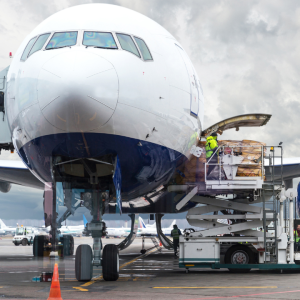
Air freight has evolved from a complementary transport option into a structural pillar of modern international trade. Its relevance has increased as supply chains become more fragmented, more time-sensitive, and more dependent on continuous flows of high-value goods. Industries such as advanced technology, pharmaceuticals, electronic components, and digital commerce rely on air freight shipping to ensure operational continuity and meet strict delivery requirements. This dependence has given air cargo transport a stabilizing role within the airline industry, offsetting volatility in other segments and reinforcing integration between airlines, air freight forwarder networks, and international logistics operators.
Air Freight Services and Options
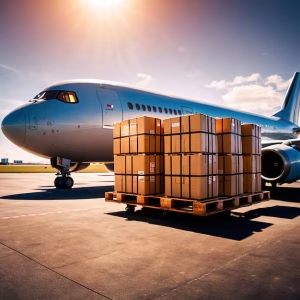
Air freight services now offer a variety of tailored solutions to meet diverse shipping needs. From premium air charter options to economy air freight services, businesses can select the appropriate service level based on priority, cost, and transit times. Freight consolidation is a common practice among freight forwarders to optimize space utilization and reduce costs, especially for shipments moving from multiple origins to a single final destination. Additionally, air freight options include door-to-door, door-to-airport, and airport-to-airport services, providing flexibility in surface transport and final delivery. Both dedicated cargo aircraft and passenger aircraft contribute to air freight capacity, with passenger aircraft often carrying general freight alongside passengers on major cities’ routes.
Air Cargo and Its Resilience to Global Trade Shifts
Air cargo has demonstrated a strong capacity to adapt to environments characterized by trade volatility, regulatory adjustments, and route reconfigurations. As trade flows adjust to new political and economic realities, air cargo transport has enabled agile redistribution of goods toward alternative markets, preventing prolonged disruptions to global supply chains. This resilience is explained by the operational flexibility of the air mode, the ability to reroute shipments quickly, and the capacity to absorb demand surges without requiring long-term infrastructure expansion. In this environment, air cargo rates reflect not only operational costs but also the strategic value of speed, reliability, and immediate response capability.
Customs Brokerage and Documentation Support 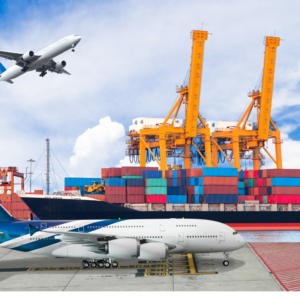
Efficient customs brokerage is critical in air freight shipping, ensuring shipments comply with complex international trade regulations. Freight forwarders and dedicated support teams manage the preparation and processing of required documents such as commercial invoices, export declarations, and bills of lading. This service minimizes delays at the destination airport and helps shipments arrive on time, especially for time sensitive cargo and dangerous goods requiring special handling and documentation.
Structural Pressures on Costs and Operational Efficiency
Despite relative stability, airlines continue to operate within a demanding cost structure that conditions profitability trends. Aging fleets, limited availability of spare parts, and delays in new aircraft deliveries increase maintenance costs and reduce energy efficiency. Added to this is the impact of environmental programs, regulatory obligations, and the need to invest in alternative fuels, which, while essential for long-term sustainability, represent a significant short-term financial burden. These factors directly influence air freight rates and shape the service configurations offered by international freight services providers.
The Interaction Between Airlines and Freight Forwarders
The role of the freight forwarder becomes increasingly strategic in an environment where air capacity is constrained and demand presents unpredictable peaks. Freight forwarders act as specialized intermediaries who optimize space utilization, consolidate shipments, and manage the documentary and operational complexity of international transport. Their market knowledge, combined with established commercial relationships with airlines and logistics operators, allows them to mitigate risks and deliver solutions tailored to specific client needs. In the current landscape, coordination between airlines and freight forwarders is essential to ensure the continuity of air freight shipping and the efficiency of global logistics services.
Air Charter and Dedicated Teams
For urgent or time critical shipments, air charter services provide a flexible and reliable solution by securing entire aircraft or dedicated cargo space. This option is particularly valuable for valuable cargo, oversize shipments, or hazardous materials classified as dangerous goods. Dedicated teams within freight forwarding companies manage these specialized shipments, ensuring compliance and real-time updates throughout the transportation process.
 Additional Services in Air Freight
Beyond basic transportation, air freight providers and freight forwarders offer a range of additional services to enhance shipment security and efficiency. These include temperature-controlled shipping for sensitive pharmaceuticals, cargo insurance to protect valuable cargo, real-time tracking platforms for shipment visibility, and tailored solutions to meet unique business demands. Access to these additional services helps companies maintain control over their supply chain and respond effectively to time sensitive shipments.
Air Freight Versus Ocean Freight in Logistics Strategy
The choice between air freight and ocean freight is no longer based solely on cost considerations, but on a comprehensive assessment of risk, timing, and flexibility. While maritime transport remains essential for large volumes and non-urgent cargo, air transport is increasingly the preferred option when speed, predictability, and security are critical. Port disruptions, maritime congestion, and route deviations have reinforced the value of air transport as a reliable alternative. As a result, companies are adopting hybrid strategies that combine both modes, integrating freight transportation more strategically within their supply chains.
Major Cities as Air Freight Hubs
Major cities around the world serve as critical hubs in the global air freight network. Airports in these cities provide extensive access to international markets, facilitating the movement of time sensitive freight and general freight alike. The connectivity offered by these hubs supports seamless pickup and final delivery operations, ensuring shipments arrive promptly at their destination airports and continue efficiently through surface transport channels.
Regional Impact and Market Dynamics
Regional dynamics play a significant role in shaping airline profitability and air cargo performance. Some regions demonstrate stronger outcomes due to favorable regulatory environments, efficient infrastructure, and robust demand for international connectivity. Others face structural challenges related to higher costs, fragmented markets, and capacity constraints. These regional differences influence route planning, fleet allocation, and the configuration of logistics services, requiring operators to adapt their strategies to local conditions and evolving demand patterns.
The Future of Air Freight: Sustainability and Innovation
As the most expensive mode of freight transport, air freight faces growing pressure to reduce its environmental impact. Innovations in alternative fuels, more efficient aircraft, and optimized routing aim to improve sustainability without compromising speed and reliability. Additionally, digital platforms offering real time updates and integrated tracking enhance operational efficiency and customer experience, enabling businesses to better manage their shipments moving through a global network.
Frequently Asked Questions
What are destination terminal fees and when do they apply? 
Destination terminal fees are fees payable to the destination terminal to offload your freight from the ocean vessel, aircraft, or ocean container. If you book a shipment on a DOOR TO PORT service, these fees are not included. The consignee must pay these charges at destination, along with arranging delivery from the port and completing customs entry. These fees can be significant, especially for LCL ocean freight, where destination charges may exceed the original freight cost. When booking a DOOR TO DOOR shipment with ExFreight, destination terminal fees are included in the rate.
What does missing documents mean?
This status indicates that required export documentation has not yet been uploaded or provid
ed by the shipper. Shipments cannot be exported without a commercial invoice, packing list, and completed export declaration, and this may cause delays.
What is a loading meter?
A loading meter, also known as LDM, is a standard unit of measurement used in European road transport. One loading meter equals one meter of truck loading length. It is calculated by multiplying length by width and dividing by two point four to determine loading meters per piece. European carriers use this calculation along with minimum billing and density weight rules, charging based on the highest applicable weight. ExFreight’s Exfresso system automatically calculates these values and applies the correct rate, simplifying the shipping process and reducing errors.
The stabilization of airline profitability in twenty twenty-six reflects an industry that has learned to operate under sustained pressure rather than one that has returned to historical norms. Structural cost challenges, capacity constraints, and regulatory demands remain firmly in place, shaping how airlines, freight forwarders, and logistics providers operate within a complex global trade environment. At the same time, air freight continues to strengthen its position as a critical enabler of international commerce, providing speed, flexibility, and resilience when supply chains are under stress. For shippers and logistics decision-makers, the path forward lies in strategic planning, informed mode selection, and close collaboration with experienced freight forwarders. In a landscape defined by uncertainty rather than volatility, the ability to align air freight shipping strategies with broader international logistics objectives will be essential to maintaining competitiveness and operational continuity.