 Skip to content

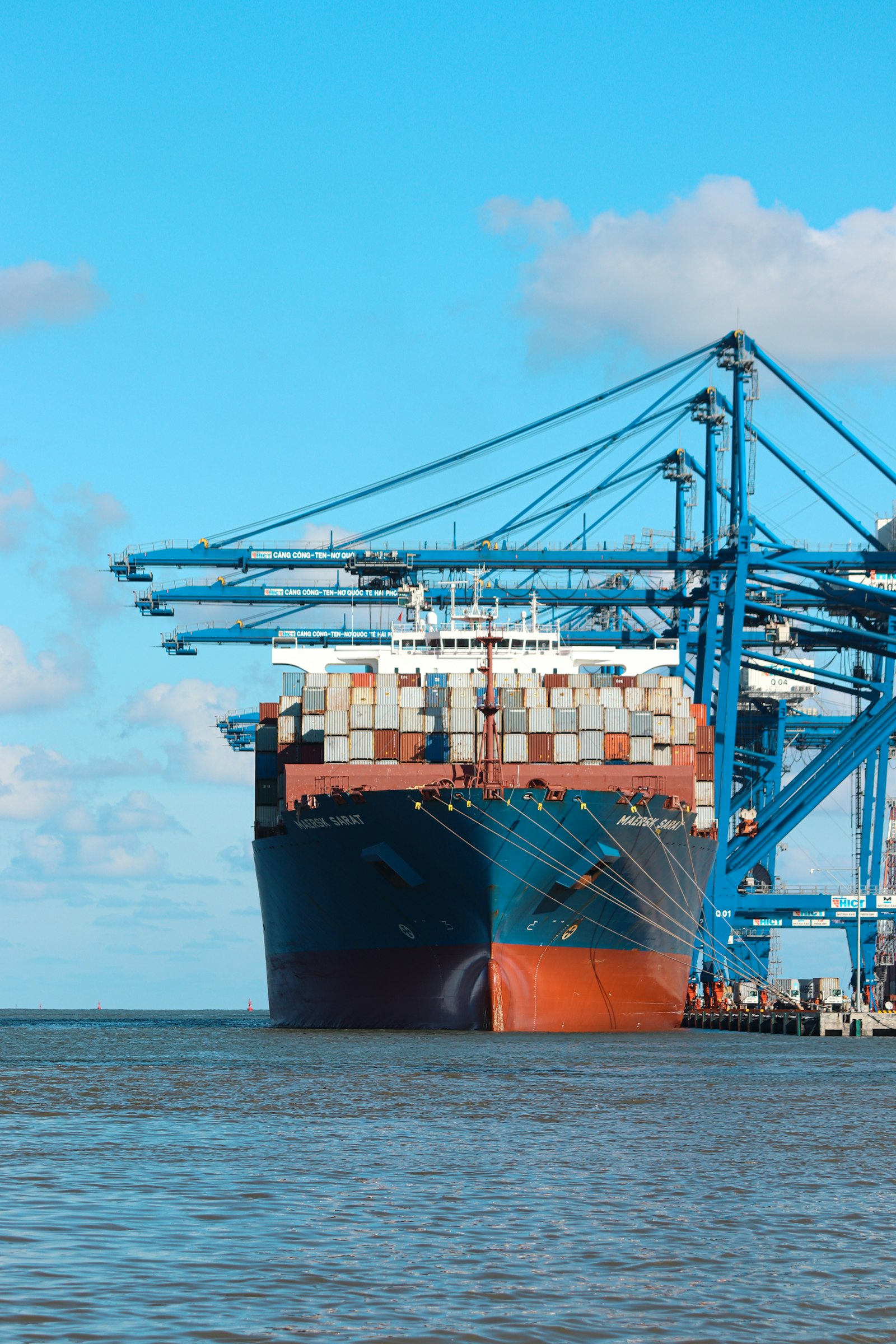
A freight forwarder from Turkey to the USA books the ocean or air leg, coordinates Turkish export clearance with your supplier and supports your US ISF and customs entry. Published direct services from Mersin and the Istanbul area to US East Coast ports show roughly 17 to 24 days port to port, and there is currently no GSP benefit for Turkish goods. Steel, pipe and metal products need an AD/CVD scope check before you buy.
If you need a freight forwarder Turkey to USA buyers can use for textiles, home goods, machinery, steel products or food, start from the geography: Türkiye sits where the Mediterranean meets the Black Sea, so cargo reaches the US East Coast directly across the Atlantic with no Suez or Panama question. That makes this one of the more predictable ocean lanes into New York, Norfolk and Savannah.
This guide covers shipping from Turkey to the USA in practice: which Turkish ports and airports matter, how export clearance works through the Ministry of Trade systems, what the US requires on arrival, and where Turkish goods meet trade-remedy exposure. ExFreight can price the full door-to-door move so you can weigh ocean against air.
A direct Atlantic crossing: ocean, LCL and air options from Turkey
Unlike Asian origins, Turkish cargo does not have to choose between oceans. Direct and one-transshipment services link Mersin, the Marmara ports and the Aegean to the US East and Gulf Coasts, and published schedules give the typical ranges below.
| Mode | Typical transit | Best fit |
|---|---|---|
| Ocean FCL, Mersin or Istanbul-area ports to New York, Norfolk or Savannah | Roughly 17 to 24 days on published direct services | Textiles, home goods, food, machinery by the container |
| Ocean FCL via a Mediterranean transshipment hub | Longer than direct, depends on the connection | Origins without a direct sailing |
| Ocean LCL | Sailing time plus consolidation and deconsolidation | Smaller orders from several Turkish suppliers |
| Air freight from Istanbul | Scheduled by flight, usually a matter of days door to door | Fashion, samples, urgent replenishment |
A published direct service rotation runs from Mersin and Marmara ports through the Atlantic to New York, Norfolk and Savannah. Some earlier rotations transshipped at Tangier, which adds time, so confirm whether your booking is direct.
East Coast discharge is the natural choice. For Texas, the Midwest or the West Coast, compare ocean to the East Coast plus rail or truck with the Panama and routing options.
Ambarli, Mersin, Izmir and Aliaga: which Turkish port suits your supplier
Türkiye's ports handled about 14 million TEU in 2025, according to the US Commerce Department's ports overview. The trade splits across clusters rather than one dominant port.
| Turkish port | What it serves | Typical US gateway |
|---|---|---|
| Ambarli (Istanbul, Marmara) | Multi-terminal cluster on Istanbul's European side, a large share of container traffic; textiles and consumer goods from Marmara | New York/New Jersey, Norfolk, Savannah |
| Asyaport (Marmara) | Transshipment hub for container transit | Via onward connections |
| Mersin | Gateway for southern Anatolia and Middle East trade, rail-connected | New York/New Jersey, Savannah, Houston |
| Izmir Alsancak and Aliaga (Aegean) | Aegean industry, food and petrochemical goods; Aliaga recorded the highest 2025 cargo volume at 89.5 million tons, not container-specific | New York/New Jersey, Savannah |
| Kocaeli cluster (Derince) | Automotive, petrochemical and manufacturing hub on the Izmit Gulf | New York/New Jersey, Norfolk |
| Iskenderun | Steel, heavy industry and Middle East cargo | Via transshipment or specialized services |
For air freight, Istanbul is the usual origin for urgent cargo to the US; confirm the airport and flight option with your forwarder at booking.
Matching port to supplier
Turkish suppliers cluster by industry: Bursa and Istanbul for textiles and auto parts, Gaziantep and Mersin for food and home textiles, Izmir for food and industrial goods. Choosing the nearest port with a direct US service saves inland haul. ExFreight books FCL and LCL and delivers inland by LTL or FTL.
BILGE, the Single Window and chamber certificates: what Turkish exporters file
Türkiye (the official name, which you will see on documents) runs customs declarations through the Ministry of Trade's electronic BILGE system, available to licensed customs brokers. Your supplier or its broker files; you should know the pieces.
- Export declaration: filed electronically in BILGE by the exporter's licensed customs broker. Inspection selection is automated and the examination officer is assigned by the system.
- Single Window: export permits and certificates are processed through the Single Window System, so they need not be attached on paper. Exporters can enter the 23-digit invoice code from the Single Window in box 44 of the declaration.
- Certificate of origin: issued through the chambers of commerce. The Union of Chambers and Commodity Exchanges of Türkiye (TOBB) runs MEDOS, an automation system for certificates of origin and circulation, so many certificates are now handled electronically.
- Port cut-offs: copies of the customs declaration must reach the port operations desk by the vessel's declaration cut-off, a requirement published by forwarders at Aegean and Marmara ports.
A certificate of origin is not a US entry requirement for every product, but textiles, steel and agricultural goods often need origin proof. Ask your broker which documents they need before the supplier ships. For Türkiye's own import rules, see our Turkey customs page.
Turkish origin goods at US customs: GSP loss, AD/CVD on steel and tariff exposure
Ocean cargo from Turkey needs an ISF transmitted to CBP at least 24 hours before loading in Turkey, with liquidated damages of $5,000 per violation for a late or inaccurate filing. See the ISF 10+2 guide.
- Entry and bond: US customs entry formal entries usually need a customs bond; compare single-entry and continuous bonds.
- HTS classification: textiles and metal goods have detailed tariff lines. Use the HTS guide.
- Importer of record: see importer of record explained.
Turkey and US trade programs
The President terminated Türkiye's designation as a GSP beneficiary developing country effective May 17, 2019 (Proclamation 9887), and the GSP program itself lapsed on December 31, 2020 and has not been renewed, so there is currently no GSP benefit for any origin. There is no US-Turkey free trade agreement, so duty follows the standard HTS rate plus any additional duties. Additional US duties on top of the HTS rate change often: Section 232 duties on steel, aluminum and certain derivatives, Section 301 where it applies, and temporary measures. The IEEPA reciprocal tariffs were struck down by the Supreme Court in February 2026 (Learning Resources v. Trump). Check current CBP CSMS messages and HTSUS Chapter 99 before you price an order. We do not quote rates; our Section 232 steel and aluminum guide covers the metals rules.
Steel, pipe and quartz: AD/CVD exposure
Turkish origin appears in trade-remedy orders, including antidumping orders on certain welded carbon steel pipes and tubes from Türkiye (continued by Commerce in January 2024) and quartz surface products. Check the ITA AD/CVD case list for your product and origin. If you buy steel or fabricated metal from Turkey, read the AD/CVD importer guide and confirm scope before ordering.
What shapes a Turkey quote: Marmara congestion, inland haul and holiday gaps
We do not publish rate ranges. The factors that decide a Turkey to US quote:
- Direct versus transshipped service: a direct Atlantic sailing from your nearest port is faster and cleaner than a connection via a hub.
- Inland haul: factories in Bursa, Gaziantep or Denizli add trucking to Ambarli, Mersin or Izmir; this is often a larger share of cost than buyers expect.
- Container type: steel and heavy machinery have weight limits that affect how many units fit and what trucking is allowed.
- Chargeable weight: for air, see how chargeable weight works.
- Seasonality: the Ramadan and Eid holiday periods reduce factory and customs working days in Türkiye, and US peak season tightens East Coast space in autumn.
- Duties and tariffs: any AD/CVD cash deposits can dominate landed cost on steel. Model with landed cost formulas or the duty and tax estimate.
Booking Turkey to USA cargo with ExFreight
ExFreight is a digital freight forwarder, so a Turkish order can be rated and booked without waiting on emailed quotes. The service covers:
- Door-to-door rating for air and for ocean FCL and LCL between Türkiye and the US, with LTL and FTL trucking to carry East Coast arrivals inland.
- Customs brokerage that can be added, which helps when a Turkish product line needs classification or AD/CVD checks before entry.
- Cargo insurance offered at booking, plus online document upload and storage for origin certificates and invoices.
- Map-based tracking with email status alerts for air and ocean.
- The Global Duty and Tax Calculator, Amazon FBA deliveries to US fulfillment centers, and US-based customer service online 8:00 AM to 8:00 PM EST. In business since 2006.
Start with a door-to-door quote and compare ocean and air freight.
Turkey to USA shipping: questions importers ask
How long does shipping from Turkey to the USA take?
Published direct ocean services from Mersin and the Istanbul area to US East Coast ports show roughly 17 to 24 days port to port. Transshipped routings take longer, and door-to-door time adds inland haul and customs. Air freight is scheduled in days.
Which Turkish port is best for US exports?
Ambarli for Istanbul and Marmara suppliers, Mersin for southern Anatolia, and Izmir or Aliaga for Aegean suppliers. Choose the port with a direct service to your US gateway and the shortest inland haul.
Does Turkey get duty-free treatment in the US?
No. Turkey lost GSP status effective May 17, 2019, the GSP program lapsed on December 31, 2020, and there is no US-Turkey free trade agreement. Duty depends on the HTS code plus any additional duties.
Are there anti-dumping duties on goods from Turkey?
Yes, on some products, including certain welded steel pipes and tubes and quartz surface products. Check the ITA AD/CVD case list for your product and origin before you buy.
What does a Turkish exporter file?
An electronic export declaration in the BILGE system through a licensed customs broker, Single Window permits where relevant, and a certificate of origin from a chamber when required.
Do I need an ISF for cargo from Turkey?
Yes, for ocean shipments, at least 24 hours before loading in Turkey. Violations can cost $5,000 each.
Should I say Turkey or Türkiye on documents?
Türkiye is the official name and appears on Turkish documents. US customs systems and most search queries use Turkey, so match the country name your broker and CBP entry use.
Transit times are typical ranges, not commitments. Duties, tariffs and rules change: confirm current requirements with CBP and your customs broker before you ship.
