 Skip to content

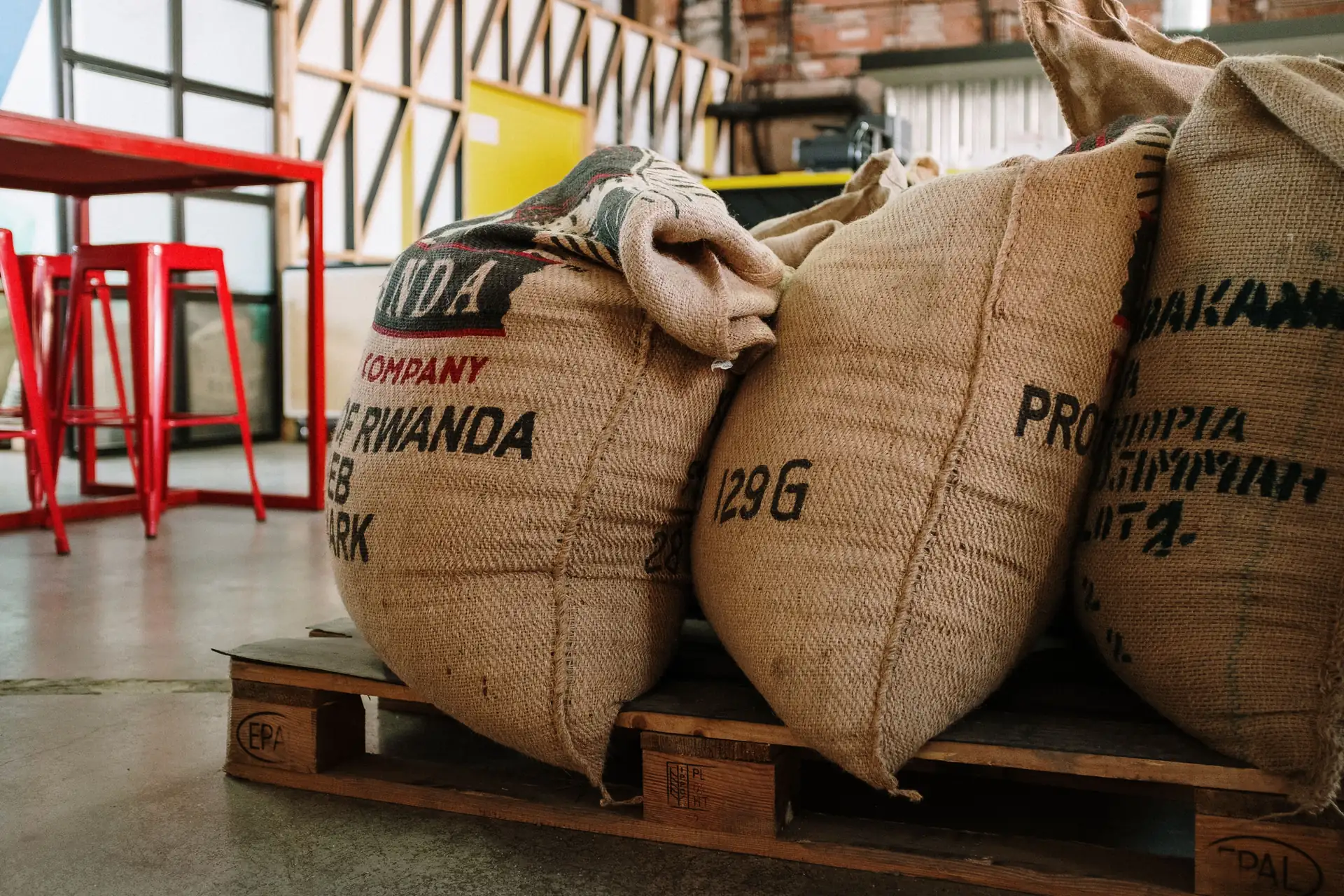
Solutions · Food & beverage
Food & beveragefreight forwarding
Packaged food, beverages, wine, coffee and spices moved by ocean, air and truck for US importers and exporters, with customs brokerage and duty estimates before you book.
Rated on Google
Read reviews“Air and ocean in one quote. We picked the lane.”
Automotive parts importer“Duty estimate upfront. Finance approved same day.”
Aftermarket distributorAt a glance
Food & beverage freight: key facts
For planning only. Every quote confirms the details for your shipment.
How food moves with us
From the producer to your warehouse
Most imported food clears customs and an FDA review before it reaches you; meat, poultry and egg products fall under USDA instead. Plan the paperwork next to the freight, in one booking and one online account.
Producer pickup
Pickup from the producer, co-packer or export warehouse, quoted on real pallet dimensions and weight.
Main leg
Ocean FCL or LCL for pallets and containers of shelf-stable goods, air for samples and urgent restocks.
FDA and customs
Imported food needs FDA prior notice and a customs entry. Customs brokerage is available, with duty estimates before you book.
Warehouse or DC
Delivery to your warehouse, retailer distribution center or Amazon fulfillment center.
Why ExFreight
Why ship food and beverages with ExFreight
Customs brokerage
Customs brokerage with your freight, and duty and tax estimates before you book.
Ocean and air compared
Plan volume by ocean and keep air for samples and restocks, in one quote.
Density-based LTL pricing
Pallet pricing built on the real dimensions and weight you enter.
Cargo insurance at booking
Optional coverage for cartons and bottles, quoted when you book.
Which mode fits
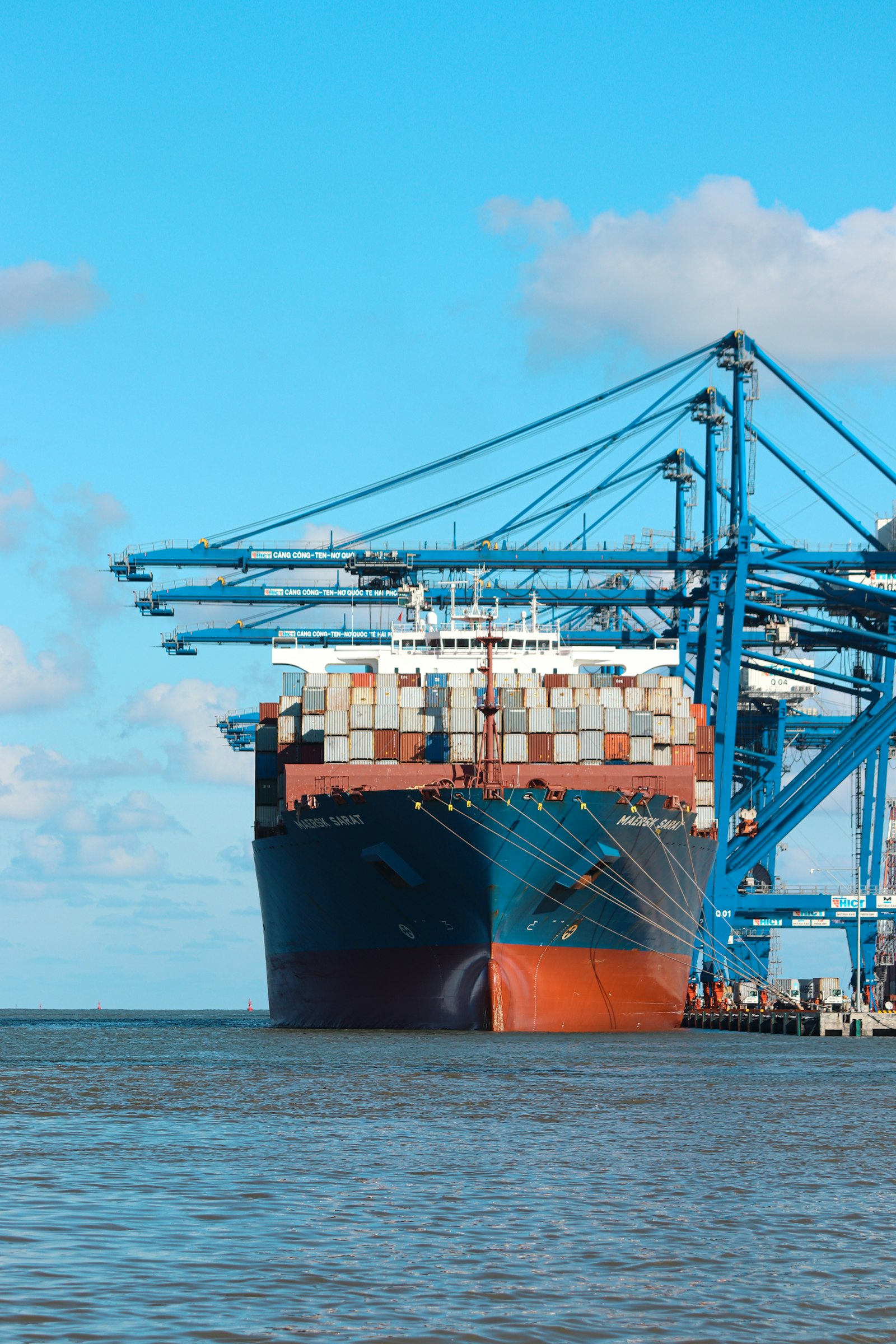
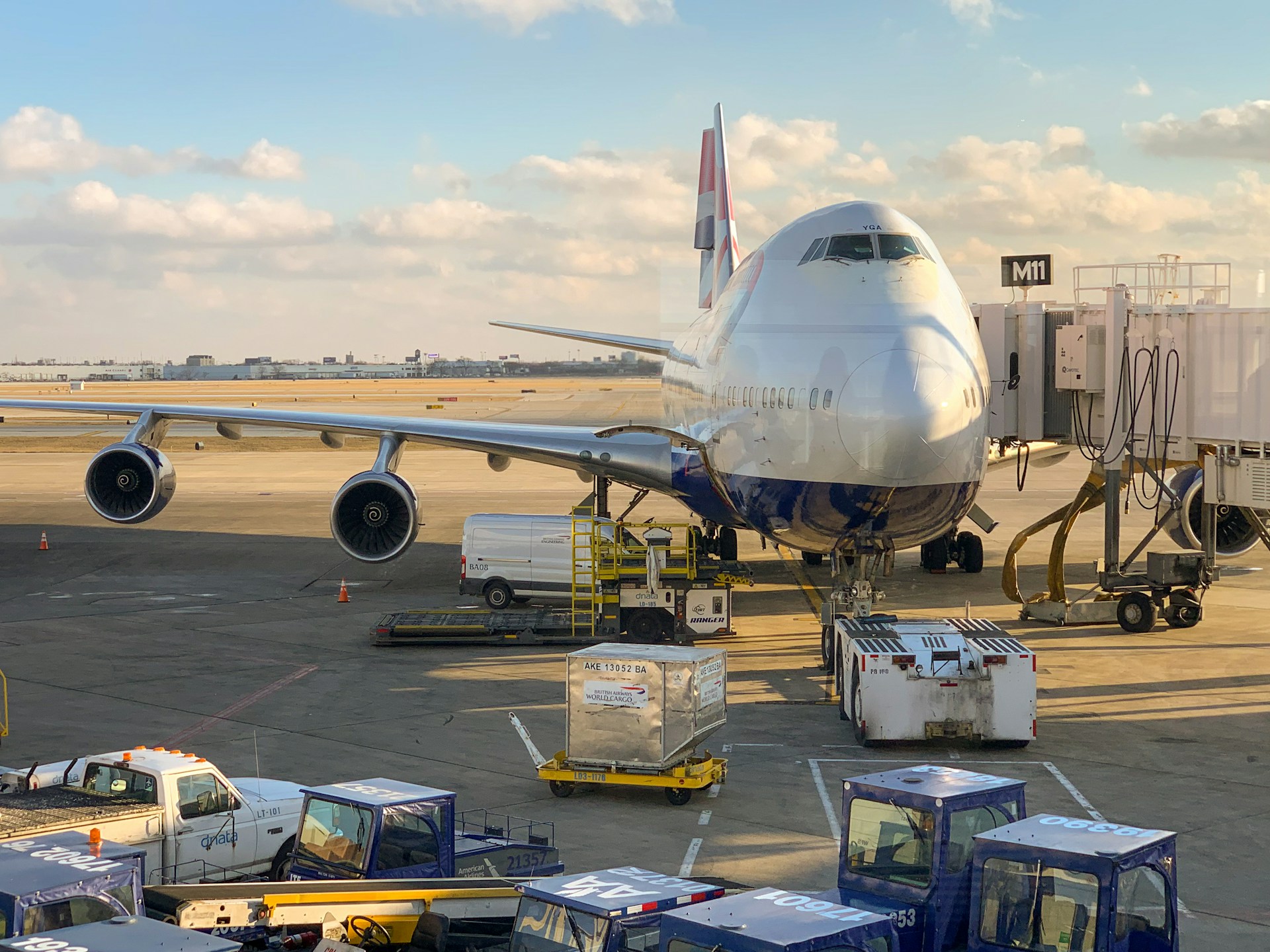
Ocean, air or truck for your food and beverage
A starting point, not a rule. Every quote shows each option side by side; the final mode depends on your lane, dates and cargo.
Food imports
FDACustoms brokerage, plus duty and tax estimates before you book, for food and beverage shipments.
Customs
Clear FDA and customs before the food ships
FAQs
Food & beverage shipping questions
Still have questions? Our team is ready to help.
Do you ship perishable or temperature-controlled food?
Our online quotes are built for ambient, shelf-stable cargo. If your cargo is perishable or needs temperature control, ask our team before you book whether we can support it.
What food and beverage products do you ship?
Packaged and shelf-stable food, sauces and oils, coffee and tea, spices, juices and soft drinks, and wine, beer and spirits, as imports to the US and as exports from the US.
Does imported food need FDA clearance?
FDA does not pre-approve food shipments, but it reviews prior notice for every food import and can examine, sample or hold a shipment. Accurate paperwork before the cargo moves is the best way to avoid a hold.
What is FDA prior notice and who files it?
It is an electronic notice to FDA about food arriving in the US, due 8 hours before arrival by water, 4 by air or rail and 2 by road. The importer, owner, consignee or their agent can submit it, and it must include the FDA registration number of the foreign facility that made or packed the food, so ask your supplier to confirm it is registered. Confirm with our team who files it for your shipment before you book.
What is FSVP and do I need one?
The Foreign Supplier Verification Program makes the US importer of most foods verify that each foreign supplier produces food to US safety standards. You provide your name, email and DUNS number for each line at entry. Some foods are exempt, so check the FDA rule for your product.
What do I need to import wine, beer or spirits?
A TTB basic importer permit, plus a Certificate of Label Approval for each product label, held at the time of import. Federal and state alcohol rules are separate from freight, so sort them out before you place the order.
How are food and beverages classified for customs?
Coffee, tea and spices sit in HTS Chapter 9, fats and oils in Chapter 15, prepared foods and juices in Chapters 16 to 21, and soft drinks, wine, beer and spirits in Chapter 22. Classify each product, since duty rates differ by product and ingredients.
What export documents do food shipments need?
A commercial invoice and packing list, plus Electronic Export Information filed in AES when a Schedule B line exceeds $2,500 or a license is required. The destination country can add its own food and labeling rules, so check the country guide.
How do I price food pallets for LTL and what does the quote include?
LTL pricing is density-based, so enter accurate length, width, height and weight per pallet. Duties, taxes, MPF and HMF are paid separately from freight, your quote can show a duty and tax estimate before you book, and cargo insurance is offered at booking.
Other industries
More freight we move


Food & beveragefreight forwarding
Packaged food, beverages, wine, coffee and spices moved by ocean, air and truck for US importers and exporters, with customs brokerage and duty estimates before you book.
Rated by shippers on Google
Read Google reviews“Air and ocean in one quote. We picked the lane.”
Automotive parts importer“Duty estimate upfront. Finance approved same day.”
Aftermarket distributorAt a glance
Food & beverage freight: key facts
For planning only. Every quote confirms the details.
How food moves with us
From the producer to your warehouse
Most imported food clears customs and an FDA review before it reaches you; meat, poultry and egg products fall under USDA instead. Plan the paperwork next to the freight, in one booking and one online account.
Imported food needs FDA prior notice before it arrives, and most food importers need a Foreign Supplier Verification Program. Perishable or temperature-controlled cargo should be discussed with our team before booking.
FDA holds explainedWhat we move
Food and beverage products we ship
Typical food freight we quote by ocean, air and truck.
Coffee and tea
Bagged and boxed goods in Chapter 9 that palletize cleanly.
Spices and seasonings
Light, high-value cartons that suit LCL and air samples.
Packaged snacks and pantry goods
Shelf-stable cartons that consolidate in LCL and LTL.
Sauces, oils and condiments
Dense glass and bottled goods where weight and packaging matter.
Juices, soft drinks and bottled water
Heavy liquid cartons that reach weight limits before they fill a container.
Wine, beer and spirits
Importers need a TTB basic permit before importing and a COLA for each label at the time of import. Spirits by air can face packaging limits, so confirm with our team before you book.
Why ExFreight
Why ship food and beverages with ExFreight
Customs brokerage
Customs brokerage with your freight, and duty and tax estimates before you book.
Ocean and air compared
Plan volume by ocean and keep air for samples and restocks, in one quote.
Density-based LTL pricing
Pallet pricing built on the real dimensions and weight you enter.
Cargo insurance at booking
Optional coverage for cartons and bottles, quoted when you book.
Which mode fits
Ocean, air or truck for your food and beverage
A starting point, not a rule. Every quote shows each option side by side; the final mode depends on your lane, dates and cargo.
FAQs
Food & beverage FAQs
Do you ship perishable or temperature-controlled food?
Our online quotes are built for ambient, shelf-stable cargo. If your cargo is perishable or needs temperature control, ask our team before you book whether we can support it.
What food and beverage products do you ship?
Packaged and shelf-stable food, sauces and oils, coffee and tea, spices, juices and soft drinks, and wine, beer and spirits, as imports to the US and as exports from the US.
Does imported food need FDA clearance?
FDA does not pre-approve food shipments, but it reviews prior notice for every food import and can examine, sample or hold a shipment. Accurate paperwork before the cargo moves is the best way to avoid a hold.
What is FDA prior notice and who files it?
It is an electronic notice to FDA about food arriving in the US, due 8 hours before arrival by water, 4 by air or rail and 2 by road. The importer, owner, consignee or their agent can submit it, and it must include the FDA registration number of the foreign facility that made or packed the food, so ask your supplier to confirm it is registered. Confirm with our team who files it for your shipment before you book.
What is FSVP and do I need one?
The Foreign Supplier Verification Program makes the US importer of most foods verify that each foreign supplier produces food to US safety standards. You provide your name, email and DUNS number for each line at entry. Some foods are exempt, so check the FDA rule for your product.
What do I need to import wine, beer or spirits?
A TTB basic importer permit, plus a Certificate of Label Approval for each product label, held at the time of import. Federal and state alcohol rules are separate from freight, so sort them out before you place the order.
How are food and beverages classified for customs?
Coffee, tea and spices sit in HTS Chapter 9, fats and oils in Chapter 15, prepared foods and juices in Chapters 16 to 21, and soft drinks, wine, beer and spirits in Chapter 22. Classify each product, since duty rates differ by product and ingredients.
What export documents do food shipments need?
A commercial invoice and packing list, plus Electronic Export Information filed in AES when a Schedule B line exceeds $2,500 or a license is required. The destination country can add its own food and labeling rules, so check the country guide.
How do I price food pallets for LTL and what does the quote include?
LTL pricing is density-based, so enter accurate length, width, height and weight per pallet. Duties, taxes, MPF and HMF are paid separately from freight, your quote can show a duty and tax estimate before you book, and cargo insurance is offered at booking.
Still have questions? Our team is ready to help.
Contact your local office