
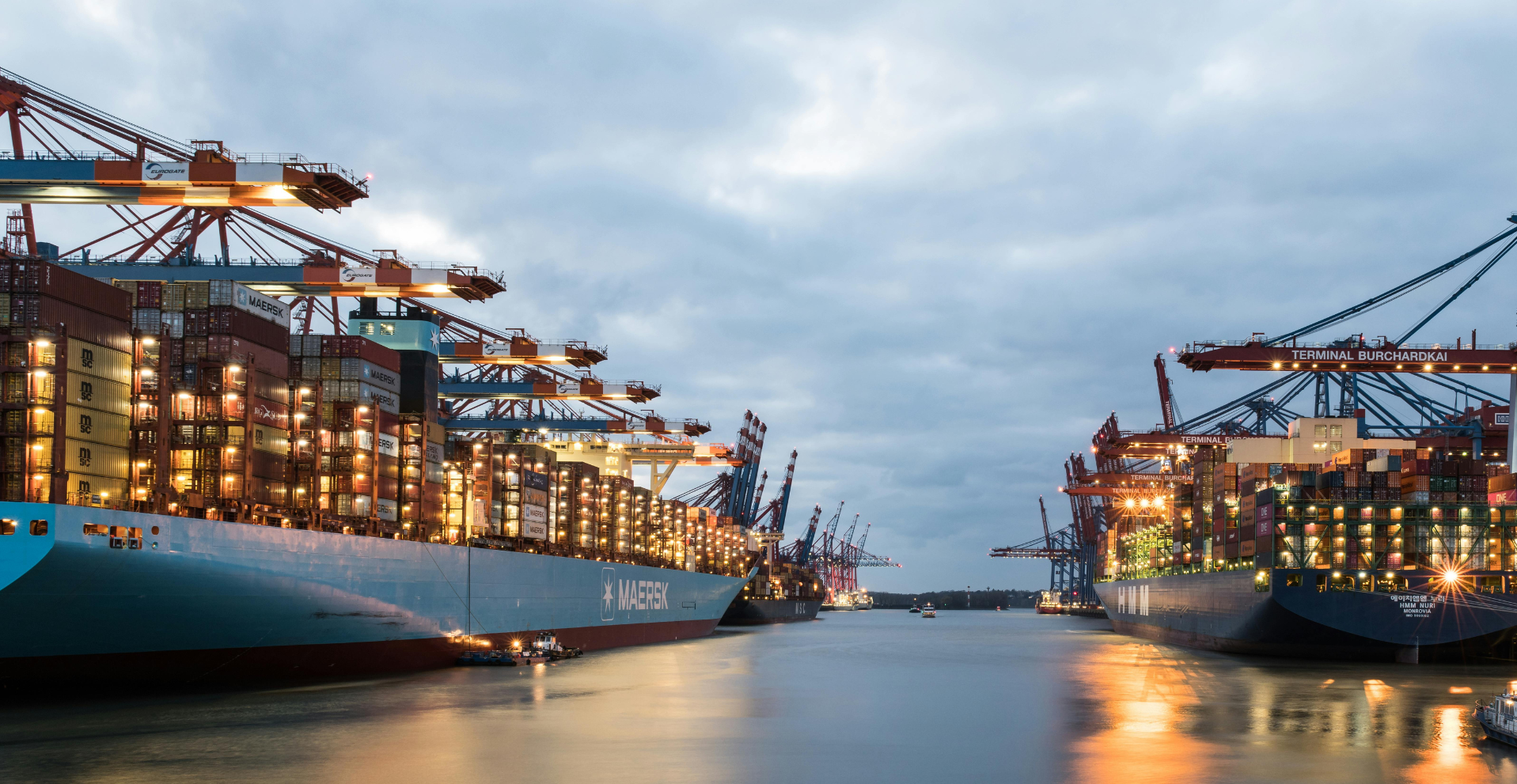
 Air freight, freight forwarding operations, and logistics services are undergoing a profound structural transformation marked by accelerated technological evolution, persistent capacity imbalances, and a widespread push toward digital and environmental modernization. As global supply chain demands increase and traditional freight transportation systems feel the pressure of shifting trade patterns, emerging automation models, and new regulatory requirements, organizations that depend on international trade increasingly recognize that adaptability is no longer optional but essential. The growing interdependence among air freight shipping, air cargo shipping, ocean freight forwarders, and multimodal logistics management reveals a sector defined more by continuous reinvention than by stability. This landscape, further influenced by the volatility of ocean freight and the rising strategic relevance of freight companies that invest in predictive intelligence, is establishing new expectations for resilience and transparency.
Within this transformation, the industry’s priorities revolve around real-time information, intelligent planning supported by artificial intelligence, traceability enabled by widespread sensor integration, and a logistics management framework capable of guaranteeing continuity even as trade flows fluctuate. Organizations must understand not only the dominant operational shifts but also the deeper systemic forces that shape the future of freight service models. The following analysis explores these developments in depth, through a specialized lens oriented toward the needs of air freight forwarder professionals, logistics services providers, and decision makers operating in highly regulated and increasingly digitalized logistics ecosystems.
The Rise of Predictive, AI-Driven Air Freight and Inventory Management
The evolution of air freight services is now closely tied to the adoption of artificial intelligence, advanced analytics, and machine learning systems that enable freight forwarding companies to interpret patterns previously invisible due to fragmented data sources and inconsistent documentation practices. This shift toward predictive logistics reshapes how air freight shipping is planned, executed, and monitored, allowing international freight forwarders to anticipate disruptions rather than react after bottlenecks have formed.
In practice, this creates a logistics environment where cargo flows become more synchronized, capacity is allocated with greater precision, and traceability becomes a dynamic, continuously updated layer of operational intelligence. As air cargo shipping systems integrate digital twins and simulation platforms, logistics providers can model alternative routing strategies, test operational contingencies, and refine cargo-handling sequences in virtual environments before executing them in the physical world. 
This new decision-making architecture allows organizations involved in global trade to visualize the entire freight transportation lifecycle as an interconnected dataset rather than a sequence of isolated steps. Continuous monitoring of environmental factors, load conditions, and operational efficiency transforms the typical air freight forwarder workflow into a more strategic, data-centered function. Rather than reacting to service interruptions, these professionals can adjust routes, optimize aircraft utilization, and coordinate multimodal transitions with greater foresight.
Through these advancements, logistics services achieve higher levels of reliability even as global supply chains face unprecedented instability resulting from port disruptions, shifting trade structures, and regulatory tightening. Freight companies that ignore this transition risk losing competitiveness in a market where predictive capabilities are becoming a basic industry standard rather than a differentiator.
Digital Twins, Automation, and Intelligent Ground Operations in Freight Distribution
Air cargo infrastructure has entered a stage in which digital twins, autonomous ground vehicles, and robotics play a critical role in modernizing freight service operations. Digital replicas of cargo terminals allow logistics providers to simulate the flow of goods through hubs, anticipate congestion points, and design optimized handling processes that reduce dwell times and improve temperature integrity for sensitive products.
 As logistics management systems incorporate sensor-driven telemetry, cargo becomes traceable through each microinteraction, enabling real-time adjustments when deviations occur. Robotic systems automate repetitive, labor-intensive tasks within cargo centers, reducing human error and increasing the consistency of aircraft loading and unloading cycles. Autonomous vehicles facilitate smoother ground coordination and more efficient allocation of operational resources, which is essential in a context where air freight shipping volumes remain high across major cities and global markets.
This interconnected automation ecosystem redefines operational reliability by eliminating historical gaps between human decision making and mechanical execution. Logistics services now benefit from systems capable of learning from each operational cycle, refining ground operations performance, anticipating equipment failures, and enabling freight forwarders to operate with unprecedented precision.
For sectors that depend on high-value or time-sensitive goods—such as pharmaceuticals, electronics, aerospace components, and specialized industrial shipments—these advancements represent more than efficiency improvements; they form the foundation of a logistics environment in which shipment integrity can be continuously validated. In parallel, the convergence between automation, sustainability, and aircraft modernization further positions air cargo shipping as a central pillar of a global logistics model oriented toward cleaner, smarter, and more traceable operations.
Next-Generation Traceability and the Growing Importance of IoT in Shipment Arrivals
Traceability has evolved far beyond basic shipment tracking, becoming a comprehensive system of environmental monitoring and real-time risk evaluation supported by dense networks of sensors embedded in cargo, pallets, containers, and ground equipment. These technologies allow air freight forwarder teams to maintain granular visibility over humidity exposure, vibration, shock, temperature fluctuations, orientation changes, and geolocation trajectories.
This continuous telemetry provides an unprecedented level of control over air cargo shipping, ensuring compliance while enabling logistics services providers to intervene proactively when deviations appear. As regulatory environments become more stringent across major trade corridors, end-to-end traceability is no longer a value-added feature but a compliance necessity for freight transportation in sectors with rigorous handling requirements.
Furthermore, the integration of blockchain-secured event records enhances the security and auditability of logistics chains, strengthening trust among shippers, carriers, freight companies, regulatory authorities such as the federal department responsible for customs, and insurers. Predictive analytics applied to sensor-generated data enables logistics management teams to identify systemic vulnerabilities, detect equipment failure patterns, and optimize environmental parameters across transport corridors.
For international logistics operations handling high-value or temperature-sensitive products, this level of traceability ensures regulatory conformity and reduces exposure to claims, spoilage, or operational disruptions. The fusion of IoT and predictive intelligence completely redefines how freight service organizations conceptualize risk, shifting from static checkpoints to dynamic, continuous verification of shipment integrity.
Sustainability Pressures and the Redefinition of Global Air Freight Shipping Options
Sustainability requirements now influence every dimension of logistics strategy, including route planning, fuel consumption, fleet modernization, capacity forecasting, and multimodal integrations that reduce emissions across air, ocean, and ground networks. Airlines, freight 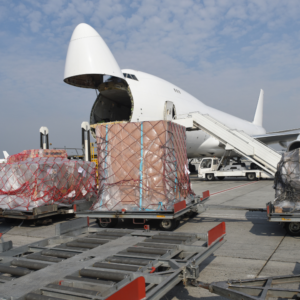 forwarders, and freight companies face increasing pressure to implement cleaner energy models, operate more efficient aircraft, apply environmentally optimized routing algorithms, and measure carbon footprints throughout the entire logistics chain.
These evolving conditions are transforming procurement decisions in logistics services, requiring organizations to evaluate partners based not only on operational performance but also on environmental alignment. As sustainability dashboards, emissions-tracking tools, and reporting systems become essential in international logistics, companies must adapt to maintain compliance and meet market expectations regarding responsible freight transportation.
The convergence between sustainability and innovation becomes visible in optimized aircraft loading algorithms, experimental alternative propulsion technologies, and emerging patterns of operational efficiency that gradually reshape the air freight shipping landscape. Evolving sustainability regulations in ocean freight also influence this process, as changes in the maritime sector affect routing patterns, capacity availability, and modal decisions that ultimately impact air cargo markets.
Thus, sustainability evolves from a regulatory obligation to a competitive differentiator driving logistics management toward more robust and resilient standards.
The Influence of Multimodal Integration Across Air, Ocean, Rail, and Ground Transport
The growing interdependence among air freight, international ocean freight forwarders, domestic freight providers, and ground transportation is redefining how freight transportation networks are designed and managed. Organizations can no longer optimize modes of transport independently, because every disruption—whether port congestion, customs brokerage delays, trucking limitations, or warehouse saturation—immediately affects air cargo shipping dynamics.
As freight companies strengthen their multimodal orchestration capabilities, they develop more resilient supply chains capable of absorbing demand fluctuations, regulatory shifts, and geopolitical pressures. y, using This deeper integration allows logistics providers to balance cost and time considerations more effectivelair freight shipping for urgent cargo while allocating less time-sensitive products to ocean freight or other alternatives.
International logistics increasingly depends on freight forwarder expertise to build modal strategies adaptable to rapidly changing market environments. As trade routes shift, capacity readjusts, and regulatory frameworks evolve, organizations must be prepared to alternate between air, ocean, rail, and ground modes without sacrificing reliability.
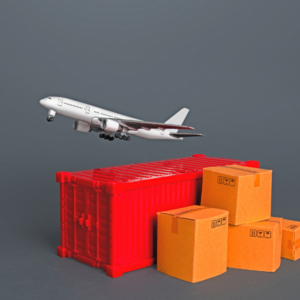 These hybrid strategies require logistics management infrastructures capable of tracking cargo across multiple systems, anticipating disruptions before they emerge, and maintaining continuity despite external pressures. Freight service providers that offer additional services such as customs brokerage, cargo insurance, freight consolidation, and third party logistics, and invest in integrated digital platforms and predictive analytics gain a strategic advantage by enabling a fluid, interconnected movement of goods aligned with modern supply chain expectations.
ExFreight Frequently Asked Questions
How do I file a damage claim?
Only the shipper, consignee, or a third party with legal rights to the cargo may file a claim. When ExFreight coordinates the shipment, the process is handled directly with our office for air or ocean shipments, while for ground shipments we act as the liaison with the carrier. This process ensures that the customer can properly document the incident and receive guidance through every stage, ensuring that damage assessment, supporting documentation, and responsibility determination follow the regulations applicable to the mode of transportation.
What is a residential delivery or pickup?
A delivery or pickup is considered residential when it occurs at a private home. The driver operates only from the curbside, and if the load needs to be moved to the doorway or an accessible interior area, additional services must be requested to ensure safe handling. To avoid failed delivery attempts that result in additional charges, scheduling an appointment service is recommended. If any piece exceeds a weight that requires mechanical assistance, a liftgate service must be added. ExFreight transports only commercial cargo, so personal or household items are not permitted.
What is VAT or value-added tax?
Value-added tax is a tariff applied at various stages of the production and commercialization of goods and services. In the logistics sector, importers must pay it when goods enter countries where VAT is part of customs requirements. ExFreight may include VAT applicable to transportation services when relevant, but the tax related to the value of imported products is handled separately and is not included in freight charges. Each country establishes its own rules for documentation, credit, or recovery of VAT according to its legal framework. 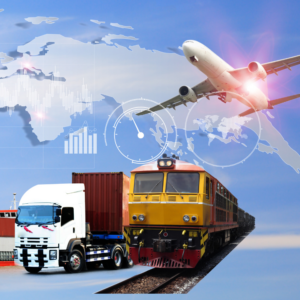
What is the deadline to file a damage claim?
Deadlines vary depending on the mode of transport and applicable regulations. For ground shipments, visible damages must be documented at the moment of delivery, and formal claims must be submitted within the stipulated period; non-visible damages and total losses have different filing windows defined by industry standards. In ocean freight, notification must occur at delivery or shortly after if the damage is not obvious, and any formal action must be taken within the contractual period. In air transportation, the report must be submitted immediately, and the formal claim must be completed within the regulatory window established by aviation authorities, while parcel shipments require early notification and formalization within specific operational periods. This structure ensures proper responsibility assessment under applicable regulatory frameworks.
Structural transformations in air freight, freight forwarding functions, and logistics services are deeply redefining the architecture of international commerce. Modern supply chains no longer operate under linear models but through intelligent ecosystems capable of anticipating disruptions, optimizing available capacity, and ensuring continuous traceability.
The growing interdependence among air freight shipping, air cargo shipping, ocean freight, and other modes demonstrates that resilience depends on coordinated, technologically reinforced networks. The sector’s digitalization—driven by artificial intelligence, digital twins, advanced automation, and sensor-based traceability—positions technology-oriented players as future global leaders.
For organizations navigating increasingly demanding commercial environments, partnering with freight companies and logistics services providers that integrate technology, sustainability, and intelligent logistics represents the most effective strategy for building strong, reliable supply chains. Adaptability, combined with a proactive approach to predictive management, will allow operational continuity even amid volatile conditions.
ExFreight remains committed to supporting customers in this evolving environment, providing an advanced logistics management framework that transforms every freight movement into a more transparent, safer, and more efficient operation.

Leave A Comment
You must be logged in to post a comment.