
ERP Freight Integration: From Released Order to Freight Cost in the Ledger
How an ERP hands released orders to a freight rating and booking system, which item and customer fields decide the rate, and how to match freight invoices back to the ledger.


How an ERP hands released orders to a freight rating and booking system, which item and customer fields decide the rate, and how to match freight invoices back to the ledger.

A step-by-step freight API integration checklist: how to scope the project, map units and fields, test in a sandbox, go live, and what to ask a freight API provider before you build.

Freight emissions figures disagree because methods differ. Here is how GLEC and ISO 14083 define the calculation, what each mode needs, and how the result feeds Scope 3 reporting.

How to design one shipment record that rates cleanly by air, ocean LCL and FCL, LTL and parcel, and how to normalize the results into a fair comparison.

What a TMS carrier integration connects, which fields decide whether the rate survives to the invoice, and how ExFreight’s nine pre-built TMS connectors compare with a direct API connection.

How EDI and APIs differ in freight, how X12 204, 214 and 210 map to booking, tracking and invoice calls, and how to design a hybrid program.

How freight rate APIs differ (benchmark data vs bookable rates), what ocean and air requests need, and which surcharges sit inside or outside the rate.

What an LTL rate API sends and returns, how density and the 2025 NMFC changes affect the quote, and how to keep the invoice close to the rate.

CBP began testing Entry Type 13, an electronic informal entry for international mail valued at $2,500 or less, on Sept. 22. Here is what U.S. buyers of low-value goods need to file.

How freight tracking APIs collect status events, which identifier to track by for each mode, when to poll and when to push, and how to normalize milestones across modes.
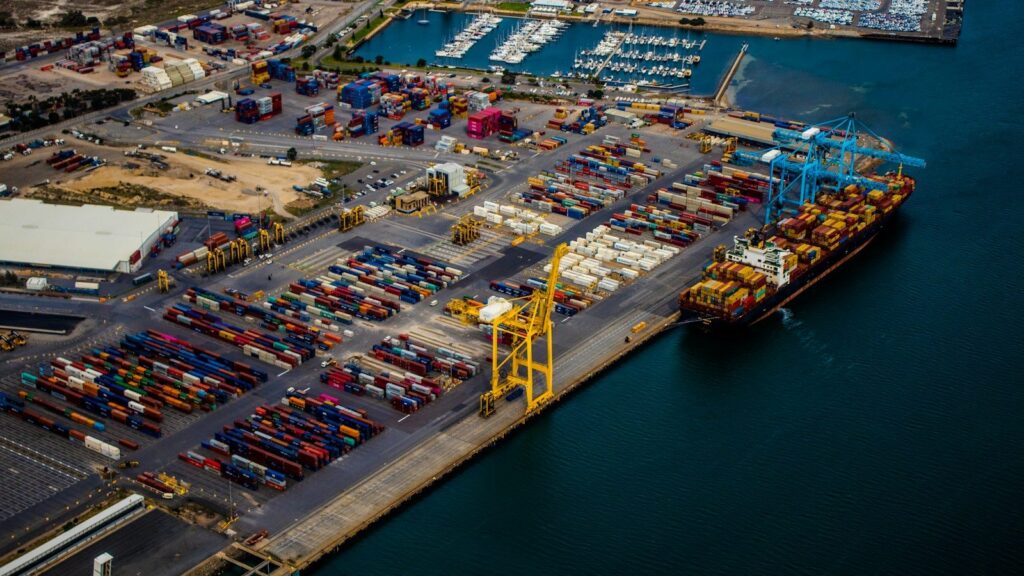
How a freight booking API turns a quote into a confirmed shipment, the data it needs, how documents and changes are handled, and the operator rules that prevent extra charges.

What a freight quote API needs in the request, what it returns, and why the invoice can differ from the quote, with Chicago to Dallas LTL and Chicago to Rotterdam LCL examples.