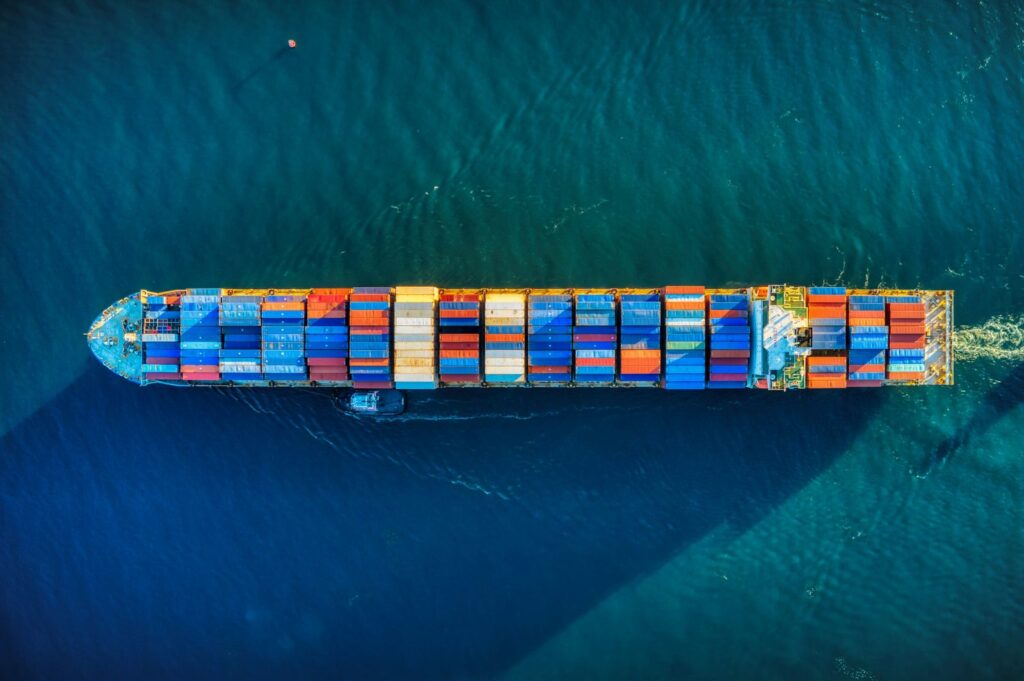
Freight Tracking API: Identifiers, Milestones and Status Updates
How freight tracking APIs collect status events, which identifier to track by for each mode, when to poll and when to push, and how to normalize milestones across modes.


How freight tracking APIs collect status events, which identifier to track by for each mode, when to poll and when to push, and how to normalize milestones across modes.
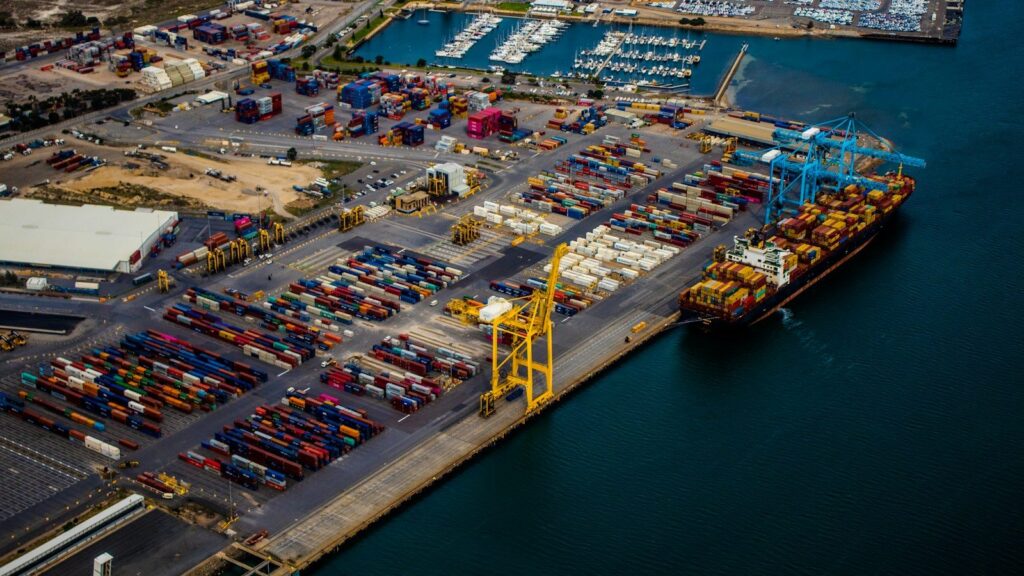
How a freight booking API turns a quote into a confirmed shipment, the data it needs, how documents and changes are handled, and the operator rules that prevent extra charges.
What a freight quote API needs in the request, what it returns, and why the invoice can differ from the quote, with Chicago to Dallas LTL and Chicago to Rotterdam LCL examples.
For most commercial shipments from the USA to Saudi Arabia, ocean freight is the default choice and air freight is
For most US exporters, shipping from USA to Switzerland by air to Zurich (ZRH) or Geneva (GVA) is the fastest
For most commercial shipments from the USA to Taiwan, ocean FCL is the cheapest way to move full containers and
For most commercial shipments from the USA to South Korea, ocean FCL is the cheapest mode and air freight is
For most commercial shipments from the United States to Spain, ocean freight in a full container (FCL) is the cheapest
For most US exporters, shipping from USA to Brazil by ocean FCL is the lowest cost-per-kilo option, with port-to-port transit
For most commercial shipments from the United States to Australia, ocean freight is the default choice and air freight is
For most commercial cargo, shipping from USA to Netherlands moves best by ocean FCL into the Port of Rotterdam, with
For most commercial shipments from the USA to Japan, ocean FCL is the cheapest way to move full containers and