Skip to content

A freight emissions calculation is a method that lets a shipper or carrier convert shipment weight, distance and mode into greenhouse gas emissions (CO2e) using published emission intensity factors.
Customers, auditors and procurement teams now ask for the carbon footprint of freight, and the numbers they receive often disagree by a wide margin. The difference is rarely the arithmetic. It is the method: which distance, which factor, which boundary. This guide walks through the standards that define a defensible freight emissions calculation, the inputs each mode needs, a worked tonne-km example, and how the result feeds Scope 3 reporting. ExFreight’s freight API handles quoting, booking and tracking; estimated emissions per rate option appear on the ExFreight platform, covered below.
Key takeaways
- Most freight emissions methods share one formula: transport activity (tonne-km) multiplied by an emission intensity factor.
- The GLEC Framework and ISO 14083 measure well-to-wheel emissions; many published factor sets cover combustion only, so check the boundary before you add numbers together.
- For a shipper, outsourced freight is Scope 3, Category 4 (upstream) or Category 9 (downstream).
What a freight emissions calculation produces
The output is a mass of CO2 equivalent (CO2e) attributed to a shipment, a lane or a reporting period. CO2e combines carbon dioxide with other greenhouse gases, such as methane and nitrous oxide, weighted by their global warming potential. A calculation, whether run in a spreadsheet, a TMS or an emissions API, follows the same chain:
A tonne-km is one metric tonne moved one kilometer. U.S. sources often use the short ton-mile instead (one 2,000-lb ton moved one mile), which equals about 1.46 tonne-km. Mixing the two units in one report is a common and costly error. An emissions API adds convenience, not a different method: it geocodes the addresses, estimates distance per leg, picks a factor and returns the figure. Whether that figure is usable for reporting depends on the standard behind it.
GLEC Framework and ISO 14083
The Global Logistics Emissions Council (GLEC) Framework, published by Smart Freight Centre, is the industry method for calculating and reporting logistics emissions across modes and hubs. ISO 14083:2023 is the international standard for quantifying and reporting greenhouse gas emissions from transport chain operations, and it was built on GLEC principles. GLEC Framework version 3.0 (September 2023) aligned the framework fully with ISO 14083, and the current GLEC Framework v3.2 (October 2025) states alignment with ISO 14083, the GHG Protocol and CDP reporting. In practice, ISO 14083 sets the requirements and GLEC is the guide most companies use to apply them.
| GLEC Framework | ISO 14083 | EPA Emission Factors Hub | |
|---|---|---|---|
| Publisher | Smart Freight Centre | ISO | U.S. EPA Center for Corporate Climate Leadership |
| What it is | Calculation and reporting guidance with default factors | International standard (requirements) | Factor tables for GHG inventories |
| Emissions boundary | Well-to-wheel | Well-to-wheel | Combustion only (tank-to-wheel) for transport factors |
| Activity unit | Tonne-km | Tonne-km (other units if stated) | Short ton-mile or vehicle-mile |
| Hubs and warehouses | Included | Included | Not in the transport factors |
| Best use | Multimodal, global supply chains | Claims of conformity, audits | U.S. corporate inventories, distance-based method |
Well-to-wheel (well-to-wake for ships and aircraft) adds the emissions from producing and delivering the fuel (well-to-tank) to the emissions from burning it (tank-to-wheel). The EPA Emission Factors Hub notes that its upstream and downstream transportation factors represent combustion only and do not include well-to-wheel emissions. Neither approach is wrong; they answer different questions, and the report must say which one it uses.
Inputs per mode: weight, distance and factors
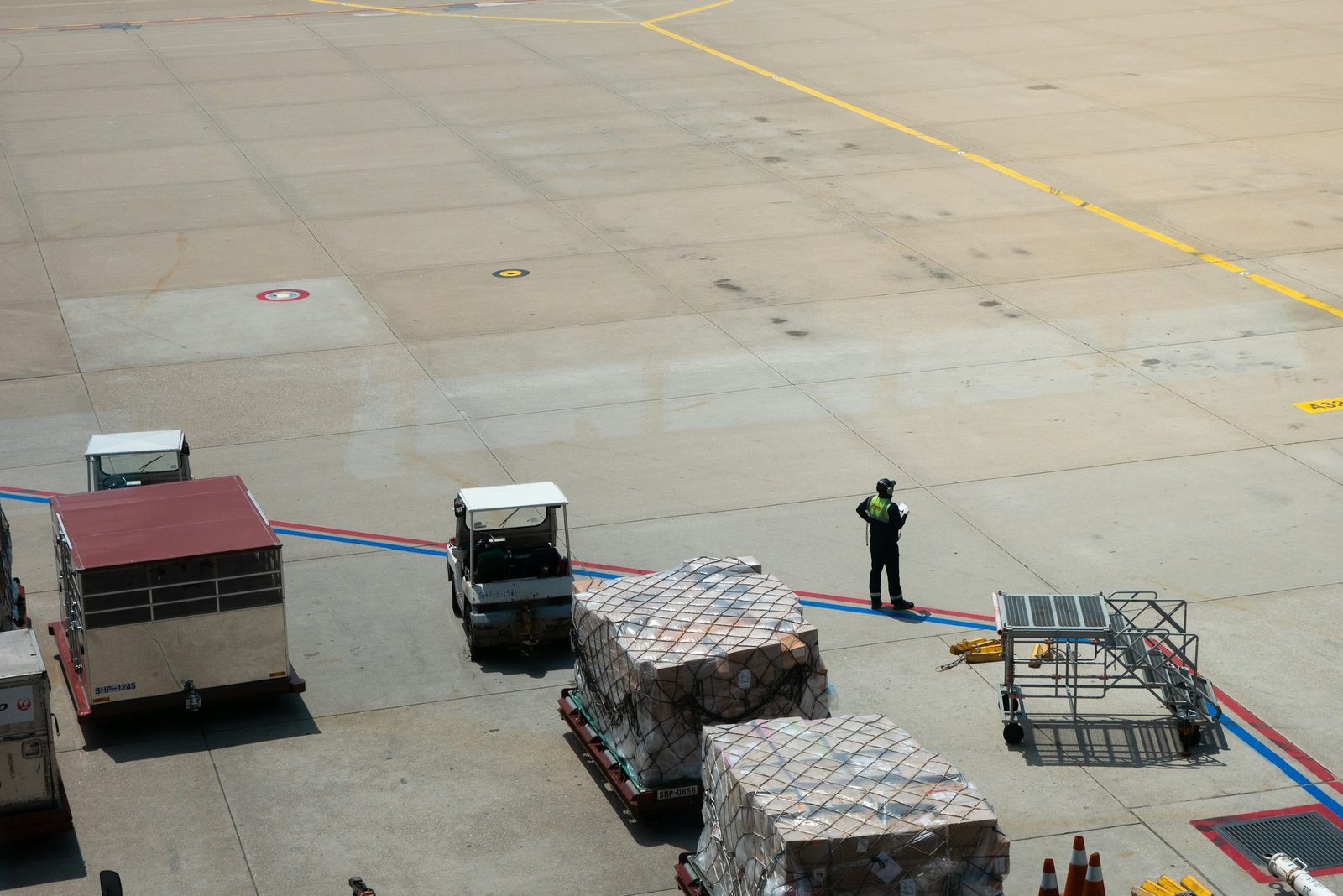
All modes use the same three inputs, but each has its own rules for distance and factor choice.
| Input | Example | Mode-specific rule |
|---|---|---|
| Shipment weight | 907 kg (2,000 lbs) | Actual gross weight, not chargeable or dimensional weight |
| Origin and destination | Postal codes, ports, airports | One record per leg: first mile, main haul, final delivery |
| Distance | 1,609 km (1,000 miles) | GLEC uses shortest feasible distance or great circle distance; air adds a 95 km distance adjustment to great circle distance |
| Mode and equipment | LTL, FTL, air freighter, LCL ocean | Selects the factor; shared loads use mass-based factors |
| Emission factor | g CO2e per tonne-km | Primary carrier data first, then modeled, then default values |
| Boundary | Well-to-wheel | Must be stated with the result |
GLEC ranks data quality as primary data (measured fuel use from the actual carrier), modeled data, then default data as a last resort. Defaults make a first inventory possible; primary data makes reductions visible. One more rule matters for shippers who receive intensity figures from carriers: when the carrier’s intensity is based on actual distance and you only know the planned distance, GLEC applies a 5% distance adjustment factor (x 1.05) for road, because trucks rarely drive the planned route exactly.
Pitfalls that distort results most often:
- Chargeable weight instead of actual weight. Air and LCL invoices bill on volume; emissions follow the mass actually moved.
- One leg instead of three. A door-to-door ocean shipment has trucking at both ends; leaving out drayage understates the total.
- Units mixed. A factor in kg per short ton-mile applied to tonne-km overstates the result by about 46%.
- Undated factors. Factor sets are revised yearly; record the version used.
Worked example: one shipment, three modes
Take a 2,000-lb shipment moving 1,000 miles: 1,000 short ton-miles, or about 1,460 tonne-km. Using the EPA’s 2025 distance-based factors (combustion only, AR5 global warming potentials):
- Truck (medium- and heavy-duty): 0.186 kg CO2 per short ton-mile gives 186 kg CO2. Adding methane (1.6 g x 28) and nitrous oxide (5.4 g x 265) brings it to about 187.5 kg CO2e, or roughly 128 g CO2e per tonne-km.
- Aircraft: 1.086 kg CO2 per short ton-mile gives 1,086 kg CO2, about 1,095 kg CO2e with nitrous oxide.
- Waterborne craft: 0.077 kg CO2 per short ton-mile gives 77 kg CO2, about 78 kg CO2e.
The air move emits nearly six times the truck move for the same weight and distance. Two corrections apply before this goes into a GLEC-aligned report: add the well-to-tank share to reach well-to-wheel, and use the actual routing distance per leg (with the air distance adjustment) instead of a single straight 1,000 miles. These are illustrative U.S. averages; a carrier’s own data will differ.
Using emissions data for Scope 3 reporting
Under the GHG Protocol, a shipper reports purchased transport in Scope 3: Category 4 (upstream transportation and distribution) for freight it pays for, inbound and outbound, and Category 9 (downstream) for transport after the point of sale that it does not pay for. The carrier reports the same fuel in its own Scope 1. GLEC places the full well-to-wheel emissions of outsourced transport in Category 4 from the customer’s perspective.
- Collect shipment records. Weight, legs, modes and dates for each shipment in the period.
- Calculate per leg. Tonne-km x factor, using the best available data tier, and keep the factor source with the record.
- Aggregate. Sum by lane, mode, customer or business unit for the reporting period.
- Disclose the method. State the standard, boundary, data tiers and distance method used.
- Act on it. Compare modes and routings when booking, not after the year closes.
Step 5 is where the rating screen matters. ExFreight’s rating results show estimated carbon emissions alongside rates and transit times for air, LCL ocean, LTL and FTL options on the platform, so a shipper can weigh a deferred air or ocean option against an expedited one before booking. ExFreight’s Instant Carbon Calculator provides estimates at the time of rating and during transit, covering first-mile trucking, the main haul and final delivery; calculations based on measurement standards published by the EPA Center for Corporate Climate Leadership; the option to enter your own kilogram-per-short-ton-mile factors; and daily, weekly, monthly and annual reporting. The carbon calculator announcement has the background, and the rating technology overview shows where emissions sit next to price and transit time.
Calculators differ in boundary (combustion only vs well-to-wheel), distance method, factor source and greenhouse gases included. Before you combine figures from several providers in one inventory, align them to one standard, or report them separately with the method stated. Emissions figures shown at rating are estimates, not audited values.
What ExFreight’s API covers today
The APIs are available upon request, with a test environment and assistance. Estimated carbon emissions are shown on the ExFreight platform at rating. See how the ExFreight freight API works
For the mode trade-offs behind those numbers, see the environmental impact of air and ocean freight.
Freight API series
Frequently asked questions
How do you calculate freight emissions?
Multiply transport activity by an emission intensity factor. Transport activity is shipment weight times distance, usually in tonne-km, calculated per leg. The factor depends on mode and equipment and should come from carrier data when available, then modeled data, then published defaults. Sum the legs and state the standard and boundary used.
What is the difference between the GLEC Framework and ISO 14083?
ISO 14083:2023 is the international standard that sets requirements for quantifying and reporting transport chain emissions. The GLEC Framework, published by Smart Freight Centre, is practical guidance with default factors that companies use to apply those requirements. GLEC version 3 and later are aligned with ISO 14083, and both use a well-to-wheel boundary.
Are freight emissions Scope 3?
For a shipper, yes. Transport that a company buys from carriers or forwarders, inbound or outbound, falls under Scope 3 Category 4, upstream transportation and distribution. Transport after the point of sale that the company does not pay for is Category 9. The carrier reports the same fuel combustion in its own Scope 1.
What is a tonne-km?
A tonne-km is the transport of one metric tonne of goods over one kilometer, the standard activity unit in GLEC and ISO 14083 calculations. U.S. sources often use the short ton-mile, which equals about 1.46 tonne-km. Keep units consistent: applying a ton-mile factor to tonne-km data overstates emissions by roughly 46%.
Does ExFreight provide emissions data through its API?
ExFreight's APIs cover quoting, booking and tracking and are available upon request with a test environment. Estimated carbon emissions are shown on the ExFreight platform alongside rates and transit times for air, LCL ocean, LTL and FTL options, and the carbon calculator supports periodic emissions reporting. Contact salesbox@exfreight.com for access.